What to expect at a Kambo session
Kambo is often sold as a short, intense “cleanse.” It’s offered on its own, at wellness events, and as an add-on at ayahuasca retreats. Because a session is brief and Kambo isn’t a psychedelic, people sometimes treat it as the easy part of a retreat. It isn’t. Its effects on the body are strong, and rare complications have been serious enough to kill.
This guide describes what usually happens in a session, what your body is likely to do, what can go wrong, and what to ask before you agree to it.
What Kambo is
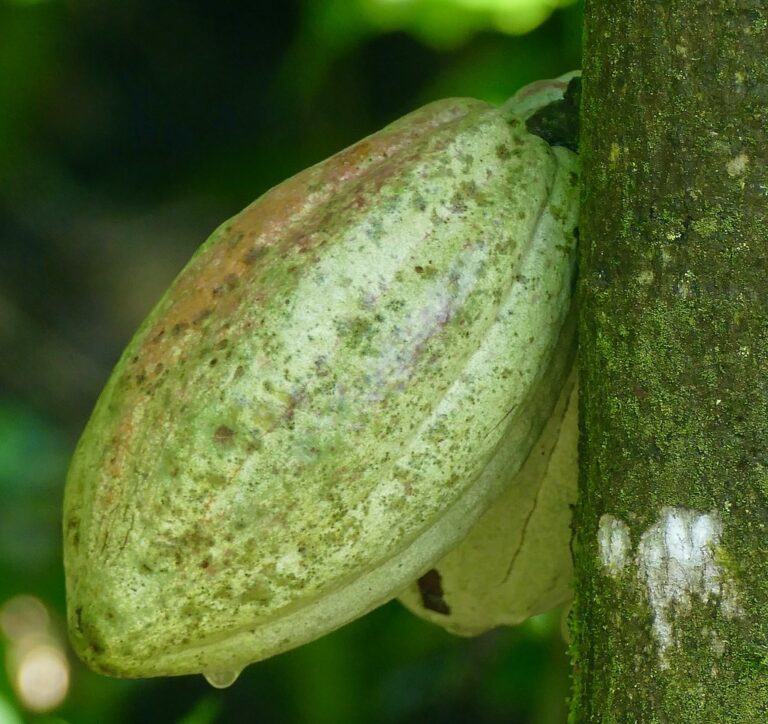
Kambo is the dried secretion of the giant monkey frog, Phyllomedusa bicolor, a tree frog of the Amazon region. It has a long history of traditional use among Indigenous peoples of the Amazon region, where, according to the 2025 review discussed below, it has been used to strengthen the body, ward off misfortune and improve success in hunting. As it has spread to cities and to other countries, some Indigenous groups and academics have criticized how it is sold and how the knowledge behind it is used. The secretion contains peptides that act on the heart, blood vessels and gut. A 2025 systematic review in the journal Cureus describes how some of these peptides can lower blood pressure and speed up the heart.
Kambo doesn’t cause visions the way ayahuasca or psilocybin can. The experience is mainly physical.
Before the session: screening
Because Kambo works on the heart and blood pressure, your health history matters a great deal. The 2025 review concludes that screening participants for existing medical conditions is critical to their safety, and notes that people with underlying conditions may be particularly vulnerable. A practitioner should ask about heart problems, blood pressure, fainting, seizures, kidney and liver problems, pregnancy, mental health history, and every medicine and supplement you take.
If you’re being offered Kambo at a retreat that also serves ayahuasca, bufo or another substance, each one needs its own screening. Clearance for one tells you nothing about the others. Ask how the center decides on the timing between them and what that decision is based on.
Water: the part people underestimate
Practitioners usually ask you to drink a large amount of water just before or at the start of the session, partly so that you have something to bring up when you vomit. This step has caused real harm.
A 2025 case report in Clinical Case Reports describes a 64-year-old woman who drank about a gallon of water before a Kambo ritual. She had the expected vomiting and diarrhea, then developed muscle cramps and, within six hours, became unresponsive. Her blood sodium had dropped to a dangerously low level. She needed hospital treatment and recovered after five days, with no memory of what had happened. The authors explain that low sodium after Kambo can come from the water itself, from the secretion’s effect on the hormones that control fluid balance, or from both.
Before the session, ask how much water they’ll ask you to drink and over what time. Say so if you have heart or kidney problems, or take any medicine your doctor has told you affects your sodium levels. If you start to feel confused, have severe cramps or a bad headache, or keep vomiting after the session should be over, that needs medical attention, not more water.
What happens in a session
Sessions are usually done sitting on the floor or a low seat, with a bucket in front of you. The practitioner uses the hot tip of a stick to make a few small circular burns on the skin, often called dots or gates, and then places the secretion on them. In the case report described above, the burns were on the chest and shoulder.
Effects start within minutes. The 2025 review describes intense nausea, vomiting, diarrhea and heavy sweating, along with a racing heart, swelling (often of the face and lips), and low blood pressure. The review puts the main effects at about 15 minutes. The practitioner then removes the secretion, and you rest.
Afterwards, most people feel drained and want to lie down for a while. The burns are small wounds. Ask the practitioner how to care for them and what to do if one looks infected.
What can go wrong
Serious complications appear to be rare, though nobody knows how rare, because there are no good counts of how many sessions take place. The 2025 review gathered nine peer-reviewed articles describing fatal and non-fatal cases. The problems reported included:
- Sudden cardiac death, in one case about 30 minutes after Kambo was applied.
- Severely low blood sodium.
- Toxic hepatitis (liver injury) and muscle breakdown.
- Seizures serious enough to need a breathing machine.
- A tear in the esophagus from forceful vomiting.
- Psychosis and other psychiatric problems.
The authors of the case report above list a similar range of harms from published reports, including heart attack and sudden death. A death reported in a case report or the news doesn’t tell you the overall risk. It does tell you that Kambo isn’t a gentle detox, and that the people around you need to be ready for a medical emergency.
Signs that need medical help
- Chest pain, or a heartbeat that feels very irregular.
- Fainting, or not being able to stay conscious.
- A seizure.
- Confusion, severe headache or muscle cramps in the hours after a session.
- Swelling that affects breathing or swallowing.
- Vomiting that doesn’t settle once the session is over, or vomiting blood.
- Severe chest or upper belly pain after hard vomiting.
A practitioner who treats any of these as “the medicine working” or “a deeper purge” is putting you at risk. Know the local emergency number and how long it would take to reach a hospital before you begin.
Claims to read carefully
Kambo is often promoted with health claims: that it detoxes the body, strengthens the immune system, or treats addiction, depression, infections or chronic pain. These claims come from tradition and personal stories. A practitioner can tell you what past clients have said they felt. A promise about your health is a different thing, and you’re entitled to ask what it’s based on. Our guide on grounded or “woo woo” groups explains how to tell the two apart.
Questions to ask before you agree
- What training do you have, in Kambo and in first aid or emergency care?
- What health conditions and medicines would make you turn someone away?
- How much water will you ask me to drink, and over how long?
- How many points will you apply, and can I stop at any time?
- What will you do if I faint, have chest pain or have a seizure?
- Where is the nearest hospital, and how would I get there?
- If this retreat offers other substances, how far apart are they, and why?
- Who checks on me in the hours afterwards?
A good practitioner will answer all of these without irritation and may turn you down after hearing your health history. That is a sign of care.
More guides
- What Kambo is
- Kambo vs bufo: two “frog medicines” that often get confused
- Health screening: why a good center asks about your health
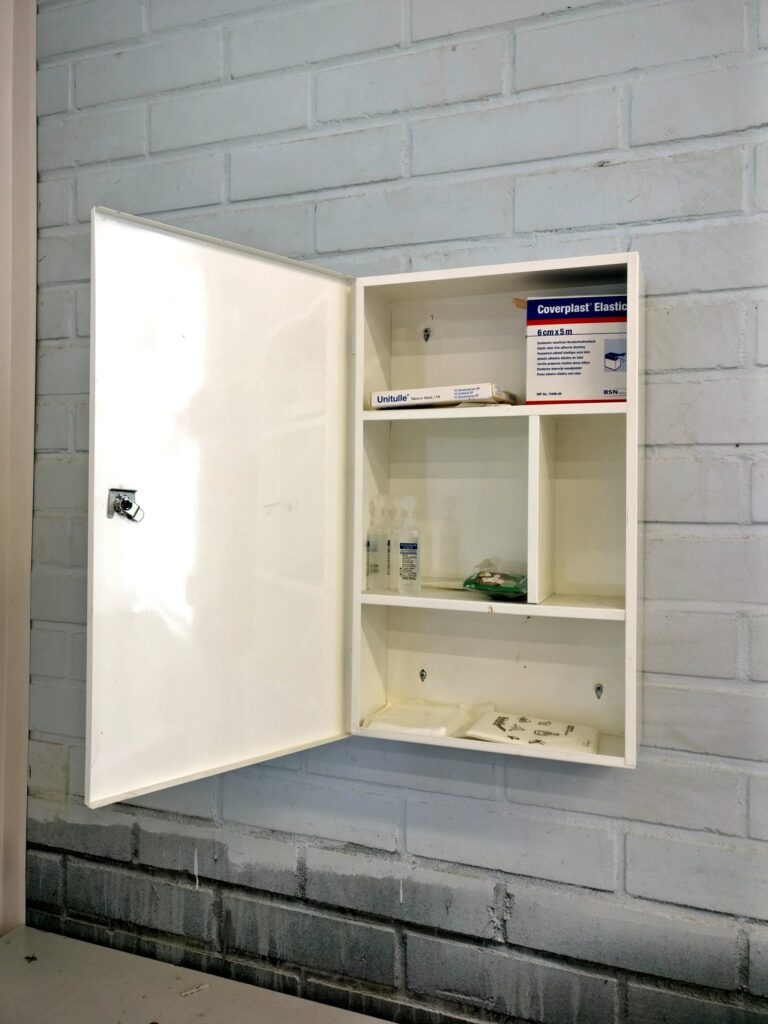
- What a center’s emergency plan should cover
- Red flags: when to walk away
Past clients’ reviews can show you how a practitioner screens people and how they responded when someone reacted badly. You can search the Safe Ceremonies listings and browse Kambo practitioners before you book.
Sources
- Sacco MA, Gualtieri S, Spiliopoulou C, et al. (2025). Kambo administration and its association with sudden death: clinical and forensic perspectives from a systematic review. Cureus. https://pmc.ncbi.nlm.nih.gov/articles/PMC11833272/
- Kelly T, Saponaro A, Longenbach J, et al. (2025). Severe hyponatremia and syndrome of inappropriate antidiuretic hormone secretion after Kambô ritual. Clinical Case Reports, 13(10). https://pmc.ncbi.nlm.nih.gov/articles/PMC12495265/
Photo: Guyana Rainforest Stream – panoramio by Marco Farouk Basir, CC BY-SA 3.0.

Author: Safe Ceremonies
User reviewed ceremonies