Kambo vs bufo: two “frog medicines” compared
Kambo and bufo are often lumped together as “frog medicine,” and some retreats offer both in the same week. They do share a few things: both come from the skin secretions of an amphibian, both act within minutes, and the main effects of each are over in under an hour. Beyond that they are very different. One is a strong physical purge with mild effects on the mind. The other is among the most intense psychedelic experiences known. They carry different risks, have different histories, and call for different questions before you agree to either.
This guide explains the differences. It doesn’t cover amounts, preparation or how to obtain either.
The short version
- Kambo comes from a large Amazonian tree frog. Bufo comes from a toad of the Sonoran Desert.
- Kambo is applied to small burns on the skin. Bufo secretion is usually inhaled as vapor or smoke.
- Kambo’s main effects are physical: vomiting, a racing heart, swelling and heat. It isn’t a classic psychedelic.
- Bufo’s main compound, 5-MeO-DMT, is a powerful psychedelic that can dissolve your sense of self for 15 to 20 minutes.
- Kambo’s best-documented serious risk is a dangerous drop in blood sodium. Bufo’s include overwhelming distress and severe reactions when combined with certain other substances.
- Kambo has a long Indigenous history. There’s no conclusive evidence that the toad was used for its effects before the 1980s.
Kambo
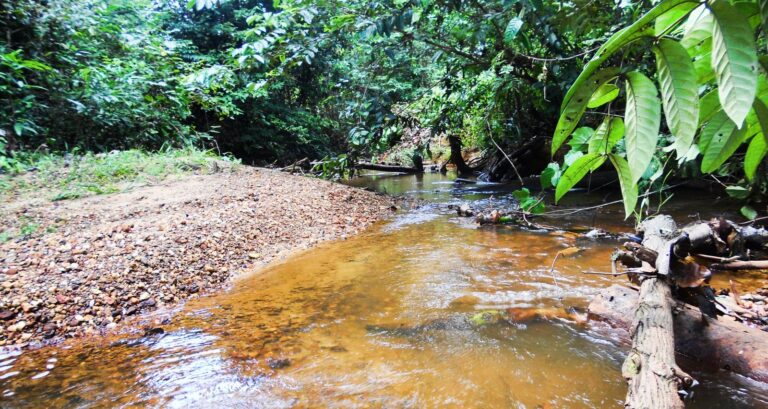
Kambo is the waxy secretion of Phyllomedusa bicolor, a large leaf frog of the Amazon basin. It contains a mix of peptides that act on the gut, the heart and blood vessels, hormones and the body’s opioid system. In traditional collection the frog is held, its skin is gently scraped, and it is released. A 2022 review lists more than 15 Indigenous peoples who used Kambo, often hunters, to build strength and ward off panema, a kind of bad luck or weakness. Over the last 20 years it has spread to healing circles in cities across Brazil, Europe and North America.
A practitioner burns a few small dots into the top layer of skin and applies the secretion to them. A 2025 review describes the usual reaction: intense nausea and vomiting, diarrhea, heavy sweating, a fast heart rate and swelling, generally lasting around 15 minutes. People are commonly asked to drink a lot of water beforehand.
Kambo doesn’t produce psychedelic visions. In a small study of 22 users asked about the experience afterwards, the psychological effects were mild to moderate, with no psychedelic-type changes in perception or thinking. In a larger online survey of 386 users, many described feeling connected to the frog’s spirit, most reported positive effects afterwards, and about 3% reported lasting physical problems they put down to Kambo. Both studies relied on self-selected volunteers remembering past sessions.
Kambo’s risks
The serious risks are physical, and they can come on fast. The best documented is hyponatremia, a dangerous fall in the level of sodium in the blood. Case reports describe how it happens: large amounts of water drunk before the ritual, sodium lost through vomiting, and the peptides themselves disturbing the hormone that controls how the body holds water. Low sodium can make the brain swell. Early signs in reported cases included headache and vomiting, and it can lead to seizures. A 2025 case report described a healthy 35-year-old woman who developed a headache and vomiting within hours of a Kambo ritual and died of brain swelling caused by severe hyponatremia.
Other reported harms include sudden cardiac death, liver damage, kidney failure, muscle breakdown, psychosis, and a tear in the esophagus from violent vomiting. A 2025 systematic review of deaths and serious cases concluded that Kambo can cause significant harm or death, especially in people with existing health conditions, and called for proper screening and regulation. In 2004 Brazil’s health regulator suspended advertising of Kambo as a therapy, citing the lack of evidence for its safety or effectiveness.
Bufo and 5-MeO-DMT
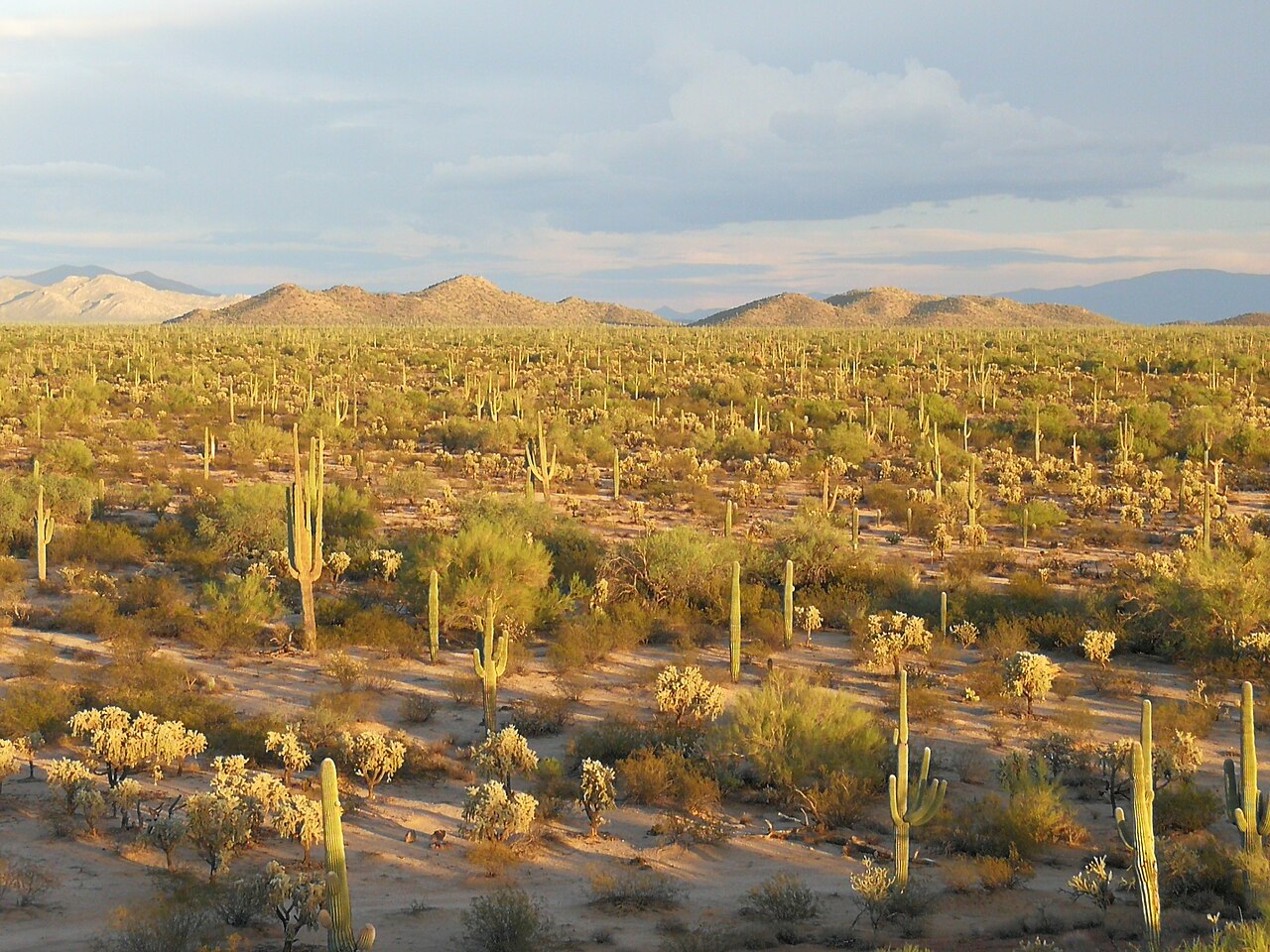
“Bufo” usually refers to the dried secretion of the Sonoran Desert toad, Incilius alvarius, also called the Colorado River toad. The secretion from its parotoid glands contains a high concentration of 5-MeO-DMT, a fast-acting psychedelic, along with bufotenine and other compounds. 5-MeO-DMT also occurs in some plants and can be made in a lab, so not every “5-MeO” ceremony uses the toad.
When it is inhaled, a 2022 review reports, the effects peak within two to five minutes, last 15 to 20 minutes, and are mostly gone within half an hour. People often describe a loss of the sense of self and of the body, with fewer visual images than DMT. The same review lists fear, sadness, anxiety, confusion, a powerful sense of dying, crying, paranoia, trembling, nausea and vomiting among the acute effects. Because people can lose awareness of their surroundings and their body, how they are positioned and watched over matters a great deal.
Bufo’s risks
The 2022 review flags combinations with monoamine oxidase inhibitors as especially dangerous, causing severe toxicity. The vine in ayahuasca contains MAO inhibitors, and the review mentions a death in which 5-MeO-DMT was taken alongside ayahuasca. Some antidepressants are MAO inhibitors too. If a retreat offers bufo and ayahuasca in the same stay, ask how it separates them and how it screens for each.
The psychological risks are those of any intense psychedelic, compressed into minutes: panic, confusion and, for some people, distress that lingers. People with a personal or family history of psychosis or mania are generally advised to avoid psychedelics. Ask how a center prepares people for that, and who will be beside you while it happens.
How little is known
Human research on 5-MeO-DMT is thin. When the 2022 review was written, there were no published clinical trials; the evidence came from surveys of people who used it and from case reports. The largest survey, of 515 people recruited online, found most used it rarely and for spiritual reasons, and that many with a psychiatric diagnosis reported their symptoms had improved. Self-selected online surveys can’t show cause and effect, and people with bad outcomes are less likely to answer them. Small laboratory studies in healthy volunteers have begun to appear since.
The toad itself
Bufo ceremonies are often described as an ancient practice. The 2022 review found no conclusive historical evidence that Indigenous peoples used this toad for its psychoactive effects before a 1984 publication about it. Researchers have since warned that the toad is under severe ecological pressure from demand for its secretion and from habitat loss. If a center uses toad secretion, it’s fair to ask where it comes from.
Why the difference matters for safety
Because the two are so different, screening for one doesn’t cover the other. For Kambo, a careful center asks about your heart, your blood pressure, other health conditions and your medications, and it is careful about how much water people drink. For bufo, it asks about your mental health and your family’s, every medicine and supplement you take, and any other substances you’ve taken or plan to take during your stay.
Questions to ask before either
- Who will be with me, and what training do they have in first aid and emergencies?
- How far is the nearest hospital, and how would I get there?
- For Kambo: how much water will I be asked to drink, and what signs of low sodium do you watch for?
- For bufo: is it toad secretion or synthetic, and how do you know how strong it is?
- What other substances are offered during the stay, and how far apart?
- Who is not allowed to take part, and why?
- What follow-up do you offer afterwards?
If you or someone else has confusion, a seizure, chest pain, trouble breathing, or vomiting that won’t stop after either practice, treat it as a medical emergency and call your local emergency number. For support talking through a difficult psychedelic experience, Fireside Project’s free peer support line, 62-FIRESIDE (623-473-7433), takes calls and texts.
More guides
- What Kambo is
- What to expect at a Kambo session
- Bufo and 5-MeO-DMT: what to know before you go
- What DMT is
- Health screening: why a good center asks about your health
- Red flags: when to walk away
Past participants’ reviews can tell you how a center screens, how many staff are present and how it handled problems. You can search the Safe Ceremonies listings, including Kambo and bufo and 5-MeO-DMT providers.
Sources
- Nogueira TAC, Kaefer IL, Sartim MA, et al. (2022). The Amazonian kambô frog Phyllomedusa bicolor: current knowledge on biology, phylogeography, toxinology, ethnopharmacology and medical aspects. Frontiers in Pharmacology. https://pmc.ncbi.nlm.nih.gov/articles/PMC9582840/
- Sacco MA, Gualtieri S, Spiliopoulou C, et al. (2025). Kambo administration and its association with sudden death: clinical and forensic perspectives from a systematic review. Cureus. https://pmc.ncbi.nlm.nih.gov/articles/PMC11833272/
- Schmidt TT, Reiche S, Hage CLC, Bermpohl F, Majić T (2020). Acute and subacute psychoactive effects of Kambô, the secretion of the Amazonian Giant Maki Frog (Phyllomedusa bicolor): retrospective reports. Scientific Reports. https://pmc.ncbi.nlm.nih.gov/articles/PMC7725827/
- Majić T, Sauter M, Bermpohl F, Schmidt TT (2021). Connected to the spirit of the frog: an Internet-based survey on Kambô. Journal of Psychopharmacology. https://pmc.ncbi.nlm.nih.gov/articles/PMC8058834/
- Tran CQ, Houston R, Marino MA, Schiraldi M, Miulli DE (2025). Shamanic Kambô frog hyponatremic toxicity leading to brain death: a case report. Cureus. https://pmc.ncbi.nlm.nih.gov/articles/PMC12154959/
- Kelly T, Saponaro A, Longenbach J, et al. (2025). Severe hyponatremia and syndrome of inappropriate antidiuretic hormone secretion after Kambô ritual. Clinical Case Reports. https://pmc.ncbi.nlm.nih.gov/articles/PMC12495265/
- Darlington CR, Copertino N (2023). Boerhaave syndrome following the use of Kambo from the Amazonian Phyllomedusa bicolor tree frog in Australia. Oxford Medical Case Reports. https://pmc.ncbi.nlm.nih.gov/articles/PMC10120436/
- Ermakova AO, Dunbar F, Rucker J, Johnson MW (2022). A narrative synthesis of research with 5-MeO-DMT. Journal of Psychopharmacology. https://pmc.ncbi.nlm.nih.gov/articles/PMC8902691/
- Davis AK, Barsuglia JP, Lancelotta R, Grant RM, Renn E (2018). The epidemiology of 5-methoxy-N,N-dimethyltryptamine (5-MeO-DMT) use: benefits, consequences, patterns of use, subjective effects, and reasons for consumption. Journal of Psychopharmacology. https://pmc.ncbi.nlm.nih.gov/articles/PMC6248886/
- Ermakova AO, Dunbar F, Seynaeve M, Millière R (2025). Mapping the phenomenology of intranasal 5-MeO-DMT in psychedelic-naïve healthy adults. Scientific Reports. https://pmc.ncbi.nlm.nih.gov/articles/PMC12592428/
- Lerer L, Reynolds E, Varia J, Blakolmer K, Lerer B (2023). Incilius alvarius cell-based synthesis of 5-methoxy-N,N-dimethyltryptamine. Psychedelic Medicine. https://pmc.ncbi.nlm.nih.gov/articles/PMC11658656/
- Johnson MW, Richards WA, Griffiths RR (2008). Human hallucinogen research: guidelines for safety. Journal of Psychopharmacology. https://pmc.ncbi.nlm.nih.gov/articles/PMC3056407/
- Fireside Project, psychedelic peer support line. https://firesideproject.org/
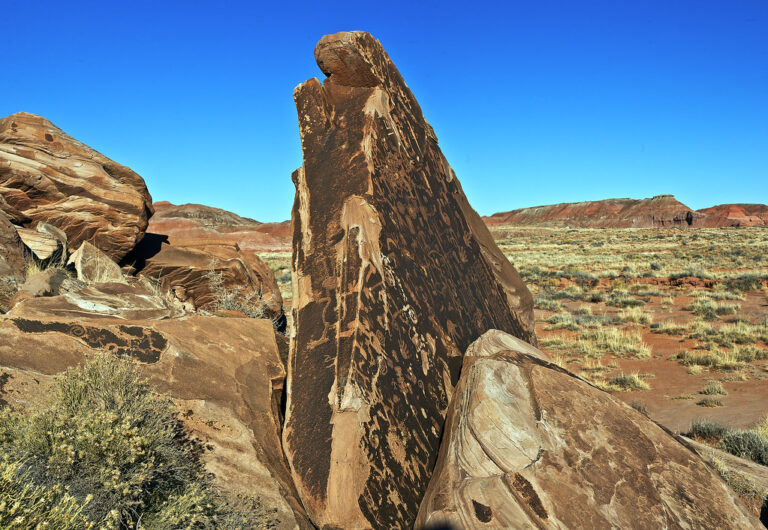
Photo: 2018 Sonoran Desert @ sunset, near Florence, AZ by ΙΣΧΣΝΙΚΑ-888, CC BY-SA 4.0.

Author: Safe Ceremonies
User reviewed ceremonies