Ayahuasca in Colombia: what to know before you go
In Colombia, ayahuasca is usually called yagé. It has a long history among Indigenous peoples of the Amazon foothills in the south of the country, including the Inga, Kamëntšá, Cofán, Siona and Coreguaje, whose healers are often called taitas. Today you can find yagé ceremonies in those regions, in the Sibundoy valley, in rural retreats elsewhere, and in and around Bogotá and Medellín, sometimes led by Indigenous healers who travel to the cities and sometimes by people with no Indigenous ties at all.
This guide covers the legal position, the standards Indigenous healers have set for themselves, what has gone wrong in the past, and the security and health issues that are specific to Colombia. It was checked on 2026-10-08. This is not legal or medical advice. Laws, security and travel conditions change, so read your government’s latest travel advice for Colombia before you go.
The legal position
Colombia has no law that specifically addresses yagé, its trade or its use. A researcher who examined the question, Leonardo Rodríguez-Pérez, describes how its status is shaped indirectly by laws recognizing Indigenous peoples’ rights: the 1991 Constitution’s recognition of ethnic and cultural diversity, the International Labour Organization’s Convention 169 on Indigenous peoples, which Colombia adopted by law in 1991, and an 1890 law on the authority of Indigenous councils, called cabildos.
In practice, Indigenous healers may carry certificates or credentials from their community council or from Indigenous organizations, and police sometimes ask to see them when yagé is being transported. Rodríguez-Pérez notes reports of yagé being confiscated from people carrying it without a council’s authorization. For non-Indigenous practitioners, the position is even less clear.
For you, the main points are simple. Nobody licenses yagé ceremonies or the people who run them. No official body checks a center’s safety. And carrying yagé, inside Colombia or across a border, can get you into legal trouble.
The healers’ own code of ethics
In July 2000, yagé healers from several peoples of the Colombian Amazon met in Siona territory on the Putumayo River and signed a code of ethics for Indigenous medicine. The organization behind it, UMIYAC (the Union of Indigenous Yagé Healers of the Colombian Amazon), set it up partly to help people tell genuine traditional healers from charlatans. Among other things, the healers committed to:
- Not trading yagé, and not selling it raw or prepared for distribution to non-Indigenous people.
- Charging outsiders only what covers the work, the plants and travel, rather than running their medicine as a business.
- Not drinking alcohol during rituals.
- Behaving respectfully toward the people they treat.
The code also set up an ethics tribunal. You don’t need to know the code by heart, but it gives you a useful yardstick from inside the tradition. A “taita” who drinks alcohol during a ceremony, sells bottles of yagé to take home, or treats participants with disrespect is falling short of standards the healers themselves wrote down.
Known incidents
In April 2014, a 19-year-old British student died after drinking yagé at a ceremony in the remote Putumayo region. Channel 4 News reported that the ceremony had been recommended by his hostel. Accounts say he became ill during the night and was sent toward medical help but died on the way, and that his body was left by a rural road. An inquest in 2018 recorded an accidental death from intoxication by ayahuasca and hyoscine, a drug used against nausea.
The UK government’s travel advice for Colombia gives a wider picture. It says yagé is marketed to tourists as spiritual cleansing, that its use isn’t regulated, that intoxicated travelers have been assaulted and robbed, and that there have been reports of sexual assault during ceremonies. It warns that jungle retreats are often far from medical facilities, that some have basic medical services and others don’t, and that some have no established plan for reaching a hospital in an emergency.
A risk specific to Colombia: drugging and robbery
The UK advice describes criminals in Colombia using drugs, including scopolamine, to subdue victims, who then become disoriented and vulnerable to robbery and sexual assault. The drugs can be given in food, drinks, cigarettes and other ways. It warns that criminals use dating apps and websites to find foreigners traveling alone, and advises against accepting invitations from strangers.
This matters for anyone looking for a ceremony. An invitation from someone you’ve just met, a “private ceremony” in an apartment, or a stranger offering to take you to a healer puts you in exactly the situation this warning describes. Book only with a center you’ve researched in advance, and never go to a ceremony alone with people you don’t know.
Regional security
Some of the southern areas where yagé traditions are strongest include places where the UK advises against all but essential travel. That includes several municipalities in Putumayo Department, including Puerto Asís, Puerto Guzmán and Orito, as well as parts of Caquetá and areas within 5 kilometers of the border with Ecuador. The same advice notes high levels of coca cultivation in Putumayo, Caquetá, Nariño and other departments, and a risk from landmines in remote rural areas. Many travel insurance policies won’t cover you in areas where your government advises against travel.
Read the current advice for the exact place a retreat is in, not just the region, and ask the center how participants travel there and whether the route passes through any of these areas.
Health and travel practicalities
- See a travel health clinic in good time. The US Centers for Disease Control and Prevention recommends preventive medicine against malaria for many areas below 1,700 meters, and reported an increase in yellow fever cases in Colombia in 2026. Colombia may ask for proof of yellow fever vaccination if you’re arriving from certain countries or going to higher-risk areas.
- Tell the center and your travel doctor about every medicine you take, including anything prescribed for the trip.
- Bogotá and some other areas are at altitude, which can cause altitude sickness.
- Tap water is safe to drink only in Bogotá, according to the UK advice.
- Check your travel insurance. Many policies don’t cover events after you’ve taken drugs or other substances, or travel to areas your government advises against.
Choosing a ceremony in Colombia
- Ask who the healer is, which people and community they belong to, and how their community recognizes them. If they say they have a council certificate or belong to an Indigenous healers’ organization, you can ask to see it.
- Ask whether the healer or helpers drink alcohol or take anything during the ceremony, and who stays sober.
- Ask what medicines will be given besides yagé, before, during or after the ceremony, and refuse anything you haven’t agreed to in advance.
- Ask what happens if someone becomes seriously ill: who decides, how they get to a hospital, how long it takes, and who goes with them.
- Keep your own phone, ID and money, and make sure someone outside knows exactly where you are.
- Be wary of ceremonies arranged through a stranger, a hostel noticeboard or a dating app.
Respect
Yagé is part of living Indigenous medicine systems, and the healers’ code asks outsiders not to treat it as a product. Paying fairly, following the community’s rules, and not taking yagé away with you are basic forms of respect. Our guide to reciprocity and sustainability looks at how visitors can give something back.
More guides
- Traveling abroad for a ceremony: a safety checklist
- Safety for women and solo travelers
- Plant medicine laws around the world: a plain overview
- Indigenous traditions and respectful practice
- What a center’s emergency plan should cover
Reviews from past participants can help you separate careful hosts from risky ones. You can search the Safe Ceremonies listings and read reviews in the ayahuasca and integration and aftercare categories.
Sources
- Rodríguez-Pérez L. Legal status of ayahuasca (yagé) in Colombia: some considerations from three primary sources. https://www.bialabate.net/blog-archive/news/legal-status-of-ayahuasca-yage-in-colombia-some-considerations-from-three-primary-sources
- UMIYAC (2000). Code of ethics for Indigenous medicine of the Colombian Amazon. https://umiyac.org/?p=2891
- UK Foreign, Commonwealth & Development Office. Colombia travel advice: safety and security. https://www.gov.uk/foreign-travel-advice/colombia/safety-and-security
- UK Foreign, Commonwealth & Development Office. Colombia travel advice: warnings and insurance. https://www.gov.uk/foreign-travel-advice/colombia/warnings-and-insurance
- UK Foreign, Commonwealth & Development Office. Colombia travel advice: health. https://www.gov.uk/foreign-travel-advice/colombia/health
- UK Foreign, Commonwealth & Development Office. Foreign travel insurance. https://www.gov.uk/guidance/foreign-travel-insurance
- Centers for Disease Control and Prevention. Travelers’ health: Colombia. https://wwwnc.cdc.gov/travel/destinations/traveler/none/colombia
- Channel 4 News (2014). British teenager dies in Colombia after taking yagé. https://www.channel4.com/news/colombia-british-teenager-tourist-drug-yage-henry-miller
- Jewish News (2018). Family relives “nightmare” over son’s mystery drug death. https://www.jewishnews.co.uk/family-relive-nightmare-over-sons-mystery-drug-death/
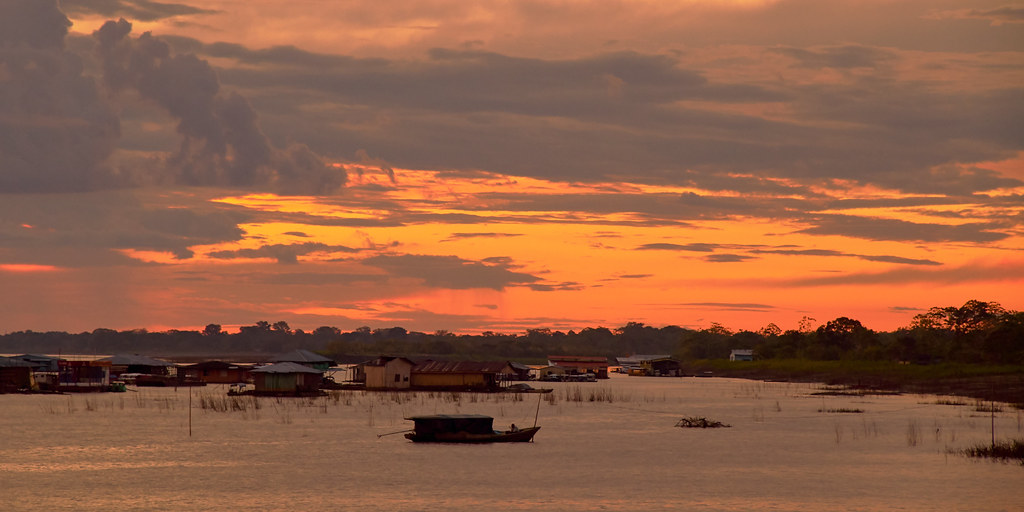
Photo: Amazon River, Colombia by szeke, CC BY-SA 2.0.

Author: Safe Ceremonies
User reviewed ceremonies