Reciprocity and sustainability in plant medicine
Every ceremony depends on two things that can run short: living plants or animals, and the people whose knowledge made the ceremony possible. As more people from outside these traditions take part, pressure on both has grown. Some of the plants grow slowly in small areas. Some of the communities that have tended them for generations see little of the money now flowing around them.
This guide looks at what’s known about the pressure on peyote, iboga and the Sonoran Desert toad, at how benefit-sharing is supposed to work, and at what you can reasonably ask and do as a participant. It isn’t about guilt. It’s about making informed choices, the same way you’d ask where your coffee or timber comes from.
Peyote: a slow cactus in a small range
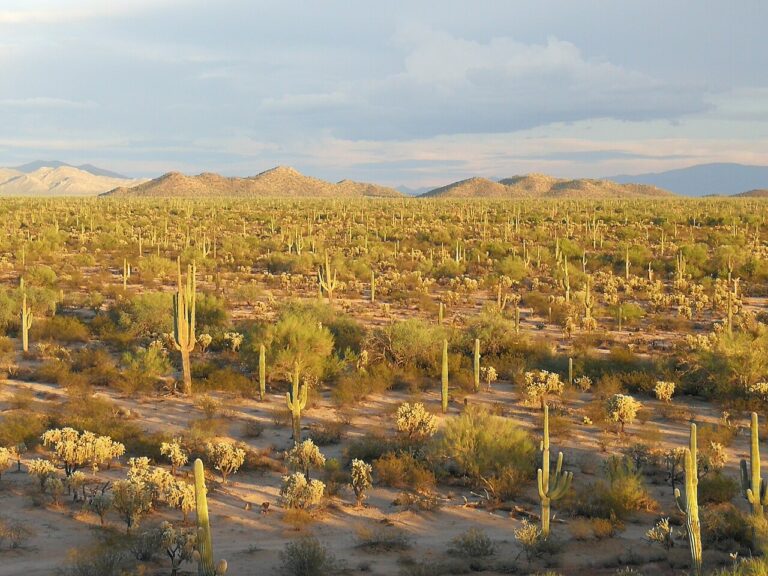
Peyote grows wild only in southern Texas along the Mexican border and in parts of northern Mexico. The IUCN Red List, the main international register of threatened species, lists it as Vulnerable. According to United Plant Savers, a nonprofit that tracks at-risk medicinal plants, a peyote plant can take 3 to 15 years to reach reproductive age, and demand has led to more harvesters cutting the plant too deeply, so that it doesn’t regrow. Poachers have also been known to confuse it with a rarer cactus, adding pressure to both.
Peyote is central to the religious practice of the Native American Church, and federal law protects its use by members of federally recognized tribes in traditional ceremonies. The Indigenous Peyote Conservation Initiative, founded in 2017 by Native American practitioners, says declines in peyote populations have been reported since the late 19th century and have worsened in recent decades. When Colorado voters decriminalized several natural psychedelics in 2022, peyote was deliberately left out.
For a participant, the practical point is that wild peyote is a limited resource with a community that depends on it for worship. Mescaline-containing cacti such as San Pedro are a different plant, with their own traditions and questions, and our guide to San Pedro covers them.
Iboga: a sacred shrub and an export trade
Iboga is a shrub from Central Africa, and its root bark is used in Bwiti, a spiritual tradition in Gabon. National Geographic reported in 2023 that about 5 percent of Gabon’s 2.3 million people practice Bwiti. Outside Africa, demand comes largely from clinics and retreats offering ibogaine, an alkaloid extracted from the plant.
That demand has put the plant under strain. According to the same reporting, most of the world’s ibogaine supply came from iboga smuggled out of Gabon, often through Cameroon, and local prices had risen about 800 percent in a decade. Gabon has responded in stages:
- In February 2019, its forestry ministry suspended exports of iboga as a precaution, citing the risk to the plant and uncontrolled trafficking, while allowing case-by-case special authorizations.
- In 2023, the first legal export of iboga under the Nagoya Protocol, an international agreement on sharing the benefits of genetic resources with the communities that hold the knowledge, was authorized.
- In May 2026, a decree set rules for access to iboga, a mechanism for sharing benefits with knowledge-holding communities, and a national iboga fund.
- On 18 September 2026, Gabon’s Council of Ministers banned all exports of iboga and its derivatives in any form, describing the plant as closely linked to the country’s cultural heritage and to Bwiti.
Some ibogaine is made from a different African tree, Voacanga africana. If a center offers iboga or ibogaine, it’s fair to ask where its supply comes from and how it squares that with Gabon’s rules. A vague answer is itself information.
The Sonoran Desert toad
The secretions of the Sonoran Desert toad, also called the Colorado River toad, contain 5-MeO-DMT, and they are the source of what is often sold as a “bufo” ceremony. The toad lives in the Sonoran Desert from around Phoenix south into northern Mexico. In a 2021 article for the Chacruna Institute, the researcher Anya Ermakova described the species as already gone from California and under pressure elsewhere from habitat loss, climate change, disease, road deaths and growing collection.
Collecting the secretion stresses the toad. Ermakova notes that it strips the animal of its chemical defense and can affect its reproduction, immune function and growth, and that toads moved away from their home area may not survive. National Geographic reported in 2023 that in Arizona it’s illegal to collect the toads without a hunting or fishing license, and quoted a curator who worried that collection and smuggling could affect the species as a whole.
Marketing often describes toad ceremonies as an ancient Indigenous tradition. Ermakova found no conclusive archaeological, written or ethnographic evidence for that claim, and traces the modern practice to a booklet published in 1984. 5-MeO-DMT can also be made in a laboratory, and some conservationists and researchers argue that this spares the toads. If a facilitator tells you their practice is thousands of years old, you can ask how they know.
Ayahuasca
Ayahuasca is made from a vine and leaves that grow in the Amazon basin. Some centers grow their own plants, some buy from communities, and some buy from whoever has stock. We haven’t found reliable data on how much wild supply has been affected, so the useful thing you can do is ask: where does the vine come from, who prepares the brew, and how are they paid?
People, not only plants
Sustainability isn’t only about how many plants are left. It’s also about whether the people whose traditions these are have a say and a share. A few examples show what that can look like.
- Yagé healers in the Colombian Amazon wrote a code of ethics in 2000 in which they pledged not to trade yagé or sell it for distribution to non-Indigenous people, and to charge outsiders only enough to cover their work, the plants and travel.
- Gabon’s 2026 rules include a mechanism for sharing benefits with the communities that hold knowledge about iboga.
- The Chacruna Institute’s Indigenous Reciprocity Initiative of the Americas, launched in April 2021, passes donations to grassroots Indigenous organizations in Brazil, Colombia, Ecuador, Peru, Costa Rica, Mexico and the United States, which decide for themselves how to use the money. It reports raising more than $288,000 since it began, and says donors can also give directly to its partner organizations.
Questions to ask a center
- Where do the plants or other materials you use come from? Are they cultivated or collected from the wild?
- Who prepares them, and how are those people paid?
- If your healers are Indigenous, how are they paid compared with other staff, and does any money go back to their communities?
- Do you offer peyote, iboga or toad secretion? If so, how do you source it, and what do you know about the pressure on wild supply?
- When you describe a practice as traditional, which tradition do you mean, and who taught you?
A center doesn’t need perfect answers. It should be able to give you real ones.
What you can do
- Pay the people who serve you fairly, and ask how the price you pay is shared.
- Don’t buy plants or preparations to take home. Apart from the legal risk, it’s the trade that many Indigenous healers have asked outsiders to stay out of.
- Think twice about practices that rely on wild-collected peyote or toads.
- Be skeptical of “ancient tradition” marketing that can’t be backed up.
- If you want to give back, give to Indigenous-led organizations, ideally directly, and let them decide how the money is used.
- Follow the rules of any community you visit, and remember you are a guest.
More guides
- Indigenous traditions and respectful practice
- What peyote is, and why conservation matters
- What iboga and ibogaine are
- Bufo and 5-MeO-DMT: what to know before you go
- A short history of ceremonial plant use
Reviews can tell you how a center treats the people it works with as well as its guests. You can search the Safe Ceremonies listings and read past participants’ reviews in categories such as peyote and iboga, bufo and 5-MeO-DMT and ayahuasca.
Sources
- United Plant Savers. Peyote (Lophophora williamsii). https://unitedplantsavers.org/peyote-lophophora-williamsii-2/
- Indigenous Peyote Conservation Initiative. Conservation. https://www.ipci.life/
- 42 U.S. Code 1996a, traditional Indian religious use of peyote. Legal Information Institute. https://www.law.cornell.edu/uscode/text/42/1996a
- Ballotpedia. Colorado Proposition 122 (2022). https://ballotpedia.org/Colorado_Proposition_122,_Decriminalization_and_Regulated_Access_Program_for_Certain_Psychedelic_Plants_and_Fungi_Initiative_(2022)
- Nuwer R (2023). This psychoactive plant could save lives, and everyone wants to cash in. National Geographic. https://www.nationalgeographic.com/animals/article/ibogaine-pschedelic-drug-root-fair-trade-gabon
- Gabonreview (2019). Espèce végétale: l’exportation de l’iboga suspendue au Gabon. https://www.gabonreview.com/espece-vegetale-lexportation-de-liboga-suspendue-au-gabon
- Bénin Web TV (2026). Gabon bans all exports of iboga, with penalties to follow. https://beninwebtv.bj/en/gabon-bans-all-exports-of-iboga-with-penalties-to-follow/
- Ermakova A (2021). Toad conservation. Chacruna Institute. https://chacruna.net/5-meo-dmt_toad_conservation_psychedelic/
- Peterson K (2023). Sonoran Desert toad and the psychedelic movement. National Geographic. https://www.nationalgeographic.com/animals/article/sonoran-desert-toad-dmt-psychedelic-movement
- UMIYAC (2000). Code of ethics for Indigenous medicine of the Colombian Amazon. https://umiyac.org/?p=2891
- Chacruna Institute. Indigenous Reciprocity Initiative of the Americas. https://chacruna-iri.org/
- Chacruna Institute (2023). Indigenous Reciprocity Initiative of the Americas (IRI) end of year report, 2022. https://chacruna.net/indigenous-reciprocity-initiative-of-the-americas/
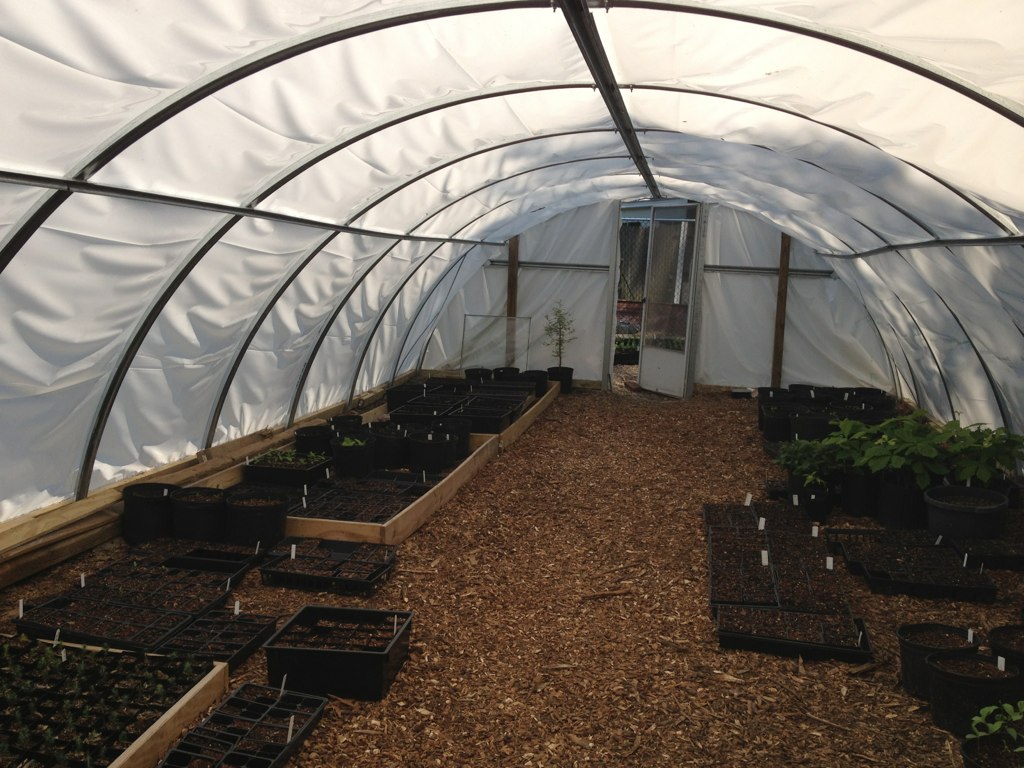
Photo: Seedling Nursery Greenhouse by 90.5 WESA, CC BY-SA 2.0.

Author: Safe Ceremonies
User reviewed ceremonies