San Pedro (huachuma): what to expect
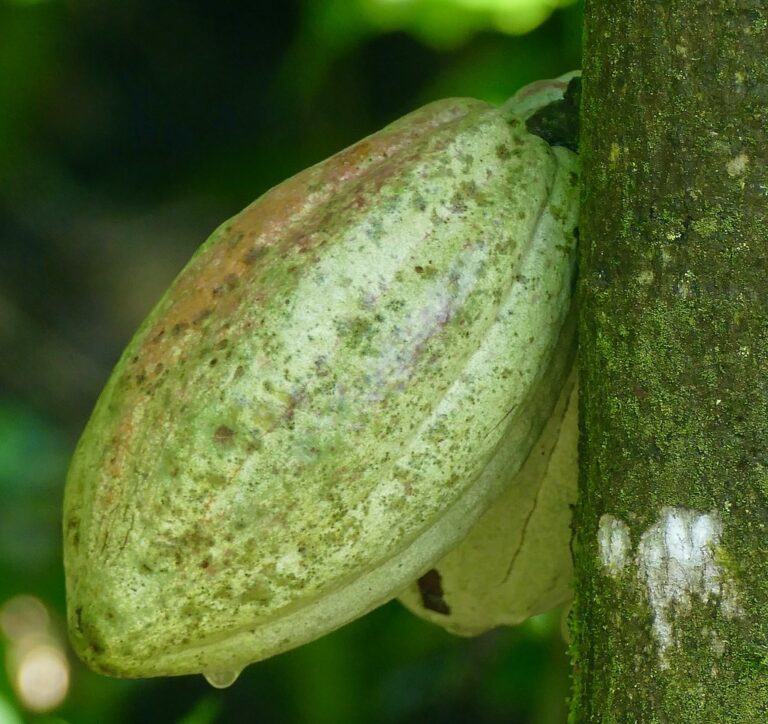
San Pedro, also called huachuma, is a tall columnar cactus from the Andes that contains mescaline. Ceremonies are offered most often in Peru and Ecuador, and increasingly elsewhere. People who have sat with both often describe San Pedro as gentler than ayahuasca, more outward-looking and more connected to nature. That reputation is fair as far as it goes. It also leads people to underestimate how long the day is and how much can happen outdoors over that time.
This guide describes a typical San Pedro day, the effects you’re likely to feel, the risks that come with the setting, and what to ask a facilitator. It doesn’t cover how the cactus is prepared or how much is served.
Where the tradition comes from
Mescaline-containing cacti have a very long ceremonial history. A 2022 study in the Journal of Psychopharmacology notes that they have been used ceremonially by Indigenous peoples in what are now the United States, Mexico and Peru for more than 7,000 years, and that the archaeological evidence makes mescaline one of the oldest known psychoactive substances in the Americas. San Pedro belongs to the Andean part of that history. Peyote, a different and much smaller cactus, belongs to the northern part, and our guide on peyote explains why its conservation is a concern.
Modern San Pedro ceremonies range from practices with clear Andean roots, involving prayers, songs and a mesa (an altar of meaningful objects), to retreats that use the cactus as part of a wellness program. Ask which kind you’re joining.
A long day
The single most useful thing to know is that San Pedro lasts a long time. The 2022 study describes peak effects around two hours after taking it and a total duration of 8 to 12 hours. In a 2023 lab study that compared pure mescaline with LSD and psilocybin, mescaline took longest to reach its peak, at about three and a half hours on average, and its effects lasted about 11 hours, more than twice as long as psilocybin’s.
Ceremonies usually start in the morning so that most of the experience happens in daylight. Expect a slow start, a long middle, and a gradual return in the late afternoon or evening. Plan nothing else for that day, and keep the following day light.
What your body may do
Nausea is common, especially early on, and some people vomit. The 2022 study notes that nausea and vomiting have been linked more often to peyote than to other forms of mescaline, possibly because of the cactus’s bitter taste and its other compounds. San Pedro is a bitter cactus too, so expect your stomach to be part of the day.
In the 2023 lab study, nausea and headache were among the commoner complaints, and three participants had severe headaches after mescaline. Mescaline was also the only one of the three substances with significant adverse effects lasting into the next day, between 12 and 24 hours after it was taken. Tiredness was among the other effects reported. Body temperature and pupil size rose, and heart rate and blood pressure increased moderately, as they did with the other two substances. If you have a heart condition or high blood pressure, raise it with your doctor and the facilitator.
What your mind may do
People describe heightened colors and textures, a strong sense of connection with nature or other people, emotional openness, and long stretches of thinking about their lives. Like any psychedelic, it can also bring fear, confusion or sadness.
In a 2022 online survey of 452 people about their most memorable mescaline experience, most of which involved peyote or San Pedro, respondents rated mystical-type effects as moderate and challenging effects as very slight on average, and none reported seeking medical help. The authors were clear about the limits: people chose to take part through internet advertising, which favors those with good experiences, and they concluded that the balance of benefit and risk is unknown because rigorous clinical research is lacking. Treat the reputation for gentleness as a tendency, not a guarantee.
The setting is part of the risk
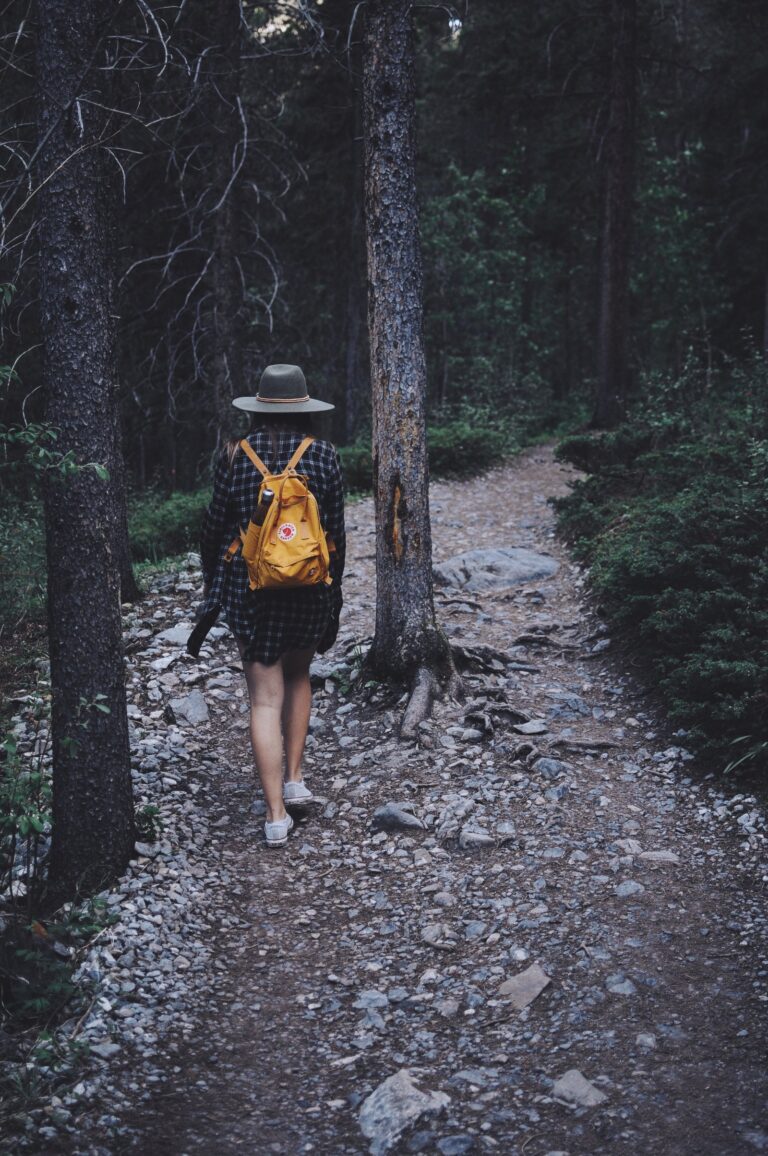
Many San Pedro ceremonies include walking outdoors: to a waterfall, a ruin, a mountainside or a garden. That’s often the highlight. It’s also where most practical risks come from, over many hours, when your judgment and balance aren’t what they usually are.
- Steep paths, loose rock, rivers and cliffs are all harder to judge when you’re altered.
- Hours outdoors at high altitude can mean sunburn and dehydration. Bring water, a hat and sunscreen, and ask how often the group stops.
- Temperatures can drop sharply in the mountains once the sun goes down. Bring warm layers for the end of the day.
- People can get separated from a group. Ask how the group stays together, who walks at the back, and what happens if someone wants to stop or turn back.
- Roads and other people add risk. Ask whether the route crosses roads or passes through public places, and how staff handle that.
A good facilitator will have walked the route many times, keep the group small enough to watch, and have at least one sober helper for every few participants.
Altitude
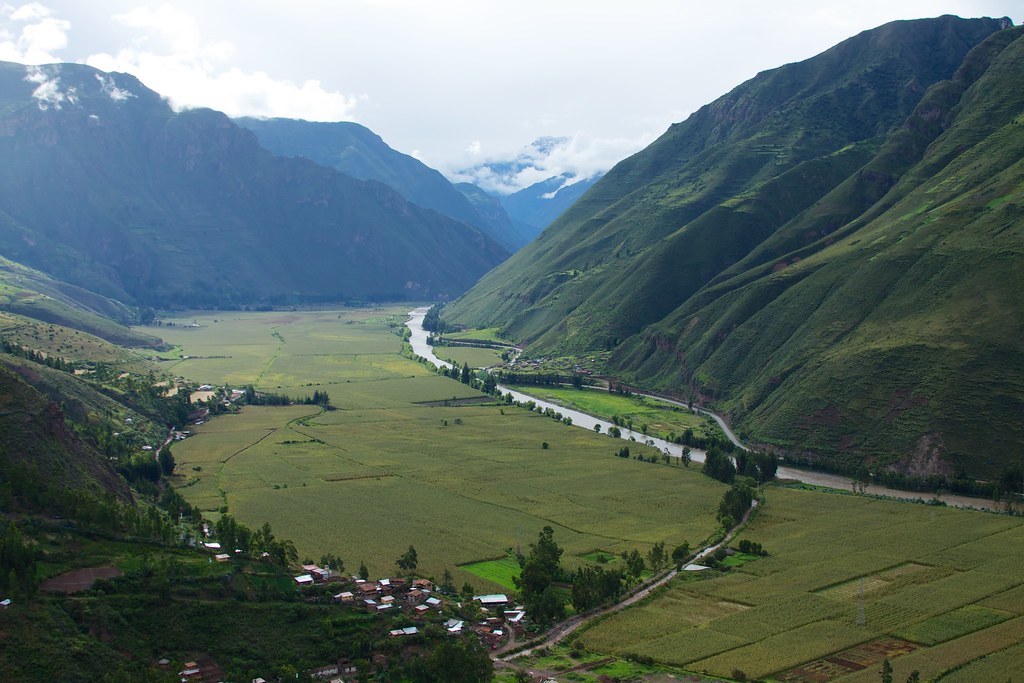
Many San Pedro ceremonies take place in the Peruvian Andes, around Cusco and the Sacred Valley. The CDC’s guidance on high-altitude travel says that any unacclimatized traveler sleeping at about 2,450 meters (8,000 feet) or higher is at risk of altitude illness. Cusco sits at about 3,350 meters, and flying in from Lima takes you up that far in about an hour.
Acute mountain sickness feels like a hangover: headache, usually with tiredness, dizziness, nausea or loss of appetite. It typically starts 2 to 12 hours after arriving. Several of those symptoms overlap with the effects of San Pedro, which makes it harder to tell what’s going on. The CDC advises avoiding alcohol for the first 48 hours at altitude, never going higher to sleep while you have symptoms, and descending if symptoms get worse. Give yourself a few days to adjust before a ceremony, and tell the facilitator if you feel unwell. If you take medicine to prevent altitude sickness, include it on your medicine list.
Medicines and health
Screening matters as much here as for any other ceremony. Tell the facilitator about every medicine and supplement you take, any heart or blood pressure problem, and any personal or family history of psychosis or bipolar disorder. If a facilitator offers San Pedro in the same week as ayahuasca or another substance, ask how they decide on the spacing and what that’s based on. Our guide on medications and health conditions explains which conditions call for caution.
Questions to ask a facilitator
- How long does the ceremony last, and what happens at each stage of the day?
- Will we walk outdoors? Where, how far, and over what terrain?
- How many participants are there, and how many sober helpers?
- What happens if I want to stop walking, or want to go back?
- How do you screen for medicines and health conditions?
- What is your plan for a medical emergency, and how far is the nearest clinic?
- Where will I sleep that night, and who checks on me?
The next day
Expect to feel tired, and some people have a headache or feel off for part of the next day. Eat, drink water, rest, and don’t drive until you feel fully yourself. Write down what you remember. If something from the day keeps troubling you, Fireside Project’s free psychedelic peer support line, 62-FIRESIDE (623-473-7433), takes calls and texts from 11 a.m. to 11 p.m. Pacific time every day.
More guides
- Ayahuasca vs San Pedro
- What peyote is, and why conservation matters
- What to pack and how to prepare practically
- Traveling abroad for a ceremony: a safety checklist
- Indigenous traditions and respectful practice
Reviews are a good way to find out how a facilitator runs a long day outdoors, including how big the groups were and how staff looked after people who struggled. You can search the Safe Ceremonies listings and browse San Pedro and huachuma ceremonies.
Sources
- Uthaug MV, Davis AK, Haas TF, et al. (2022). The epidemiology of mescaline use. Journal of Psychopharmacology, 36(3). https://pmc.ncbi.nlm.nih.gov/articles/PMC8902264/
- Ley L, Holze F, Arikci D, et al. (2023). Comparative acute effects of mescaline, lysergic acid diethylamide, and psilocybin in a randomized, double-blind, placebo-controlled cross-over study in healthy participants. Neuropsychopharmacology, 48(11). https://pmc.ncbi.nlm.nih.gov/articles/PMC10517157/
- Centers for Disease Control and Prevention. CDC Yellow Book: High-altitude travel and altitude illness. https://www.cdc.gov/yellow-book/hcp/environmental-hazards-risks/high-altitude-travel-and-altitude-illness.html
- Centers for Disease Control and Prevention. CDC Yellow Book: Peru. https://www.cdc.gov/yellow-book/hcp/americas-caribbean/peru.html
- Fireside Project, psychedelic peer support line. https://firesideproject.org/
Photo: Peru – Sacred Valley & Incan Ruins 317 – fertile river valley by mckaysavage, CC BY 2.0.

Author: Safe Ceremonies
User reviewed ceremonies