The ayahuasca diet (dieta) explained
Almost every ayahuasca center sends a list of things to avoid before you arrive. Some lists are a few lines long. Others run to pages, covering food, alcohol, sex, medicines, social media and even certain kinds of music. People often ask which rules are about safety, which are about tradition, and whether breaking one could hurt them.
This guide sorts that out as far as the evidence allows. It covers the two things people mean by “the diet,” where the food rules come from, what matters far more than food, and what to ask a center about its own rules.
Two different things called “the diet”
The word gets used for two practices that overlap but aren’t the same.
The first is the preparation diet that retreats send out: a period before and after a ceremony when you’re asked to avoid certain foods, drinks, drugs and activities. This is what most first-time participants will meet.
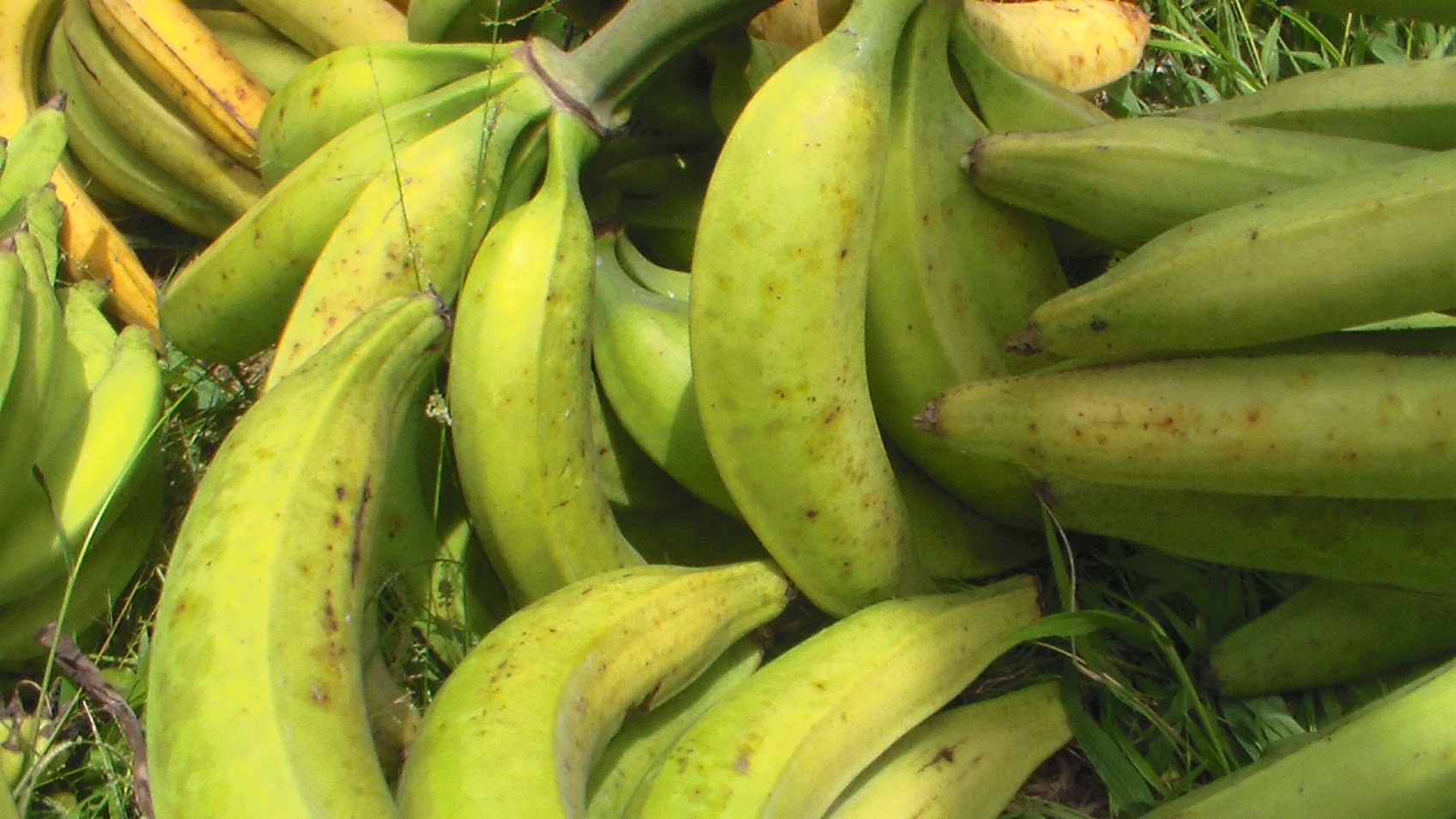
The second is the dieta in the Amazonian sense. In a 2018 article for the Chacruna Institute, the researcher Matteo Politi describes it as a retreat in isolation with the ritualized intake of specific medicinal plants that are seen as teachers, combined with a very plain diet and strict rules about behavior. In the program he describes, food was largely limited to boiled green plantain and rice or oats twice a day, with no salt, sugar, alcohol, pork or spicy food, during the dieta and for up to four weeks afterwards. Participants also kept total sexual abstinence and avoided strong smells, heavy exercise and chaotic surroundings. In Amazonian tradition, a dieta was also a core part of training a healer.
Some retreats offer a “plant dieta” as an add-on to ayahuasca ceremonies. That is a much bigger commitment than a pre-ceremony food list, and it carries its own questions, covered further down.
Where the food rules come from
Part of the answer is pharmacology. Ayahuasca usually contains harmine and harmaline, which block an enzyme called MAO-A. Older antidepressants that block MAO (the MAOI drugs) came with strict diets. The US National Library of Medicine’s MedlinePlus page for one of them, phenelzine, warns that eating foods high in tyramine during treatment can cause a serious reaction, and lists smoked or aged meat, fish and cheese, alcoholic drinks and fermented yeast products among the sources. Many retreat food lists borrow from those older drug diets.
There is an important difference, though. A 2019 review in Current Neuropharmacology points out that harmine and harmaline block MAO-A reversibly, and says that this makes them safer than the older nonselective, irreversible MAOIs. We couldn’t find a controlled study that measures how much tyramine-rich food matters with ayahuasca in particular. So a center’s tyramine list is a reasonable precaution with an uncertain size of risk behind it. Following it costs you little, and there’s no point in testing it.
The other part of the answer is tradition. Rules about salt, sugar, pork, spices and sex come from Amazonian healing practice, where they are understood in spiritual terms, as keeping the body open to the plants or protecting the person from harmful influences. Politi describes how breaking the post-dieta rules is believed to cause a kind of energetic interference called cruzadera. You can respect these rules as part of the tradition you’re entering without treating them as medical advice.
What matters more than food
If you only take one thing from this guide, make it this: your medicines and other drugs matter far more for your safety than anything on your plate.
- The 2019 review warns that combining ayahuasca with an SSRI antidepressant could cause serotonin syndrome, a reaction that can become dangerous. It cites a case report of serotonin syndrome in a person taking fluoxetine.
- The same review lists tricyclic antidepressants, opiates, some painkillers and migraine medicines among the drugs that call for caution.
- Most centers ask you to stop all recreational drug use well before a ceremony. Tell them about anything you have taken recently, even if it feels embarrassing.
- Other psychedelics can be dangerous in combination. A 2022 review of 5-MeO-DMT, the compound in bufo ceremonies, describes a death after someone took ayahuasca together with 5-MeO-DMT. Retreats that offer both need to explain how they keep them apart.
Any change to a prescription has to go through the doctor who prescribed it. Some medicines are dangerous to stop suddenly. A center that tells you to just stop taking something, or treats your medicine list as a formality, has given you a reason to look elsewhere. Our guide on medications and health conditions covers this in more detail.
What centers commonly ask you to avoid
Lists vary a lot between centers and traditions. These items turn up often:
- Alcohol, usually for at least several days before and after.
- Pork and red meat.
- Aged cheese, cured or smoked meats, soy sauce and other fermented foods.
- Heavily salted, spicy, sugary or fried food.
- Caffeine, sometimes.
- Recreational drugs.
- Sex, including masturbation, for a set period before and after.
Some centers also ask you to cut back on screens, news and social media, or to spend time quietly before you arrive. These have no pharmacological basis. Many people find them useful anyway, because they make room for the reflection a ceremony tends to stir up.
Following a diet safely
A restrictive diet is a change to how you eat, and for some people that has health consequences of its own. If you have diabetes, a history of disordered eating, low blood pressure, kidney problems, or you’re pregnant or breastfeeding, talk to your doctor before you change your diet and tell the center about the condition. A good center will adjust its rules for you or explain plainly why it can’t.
Watch for diets that drift into fasting. Very plain food is common. Going without food for long stretches before a physically demanding night is a different thing, and you should ask why it’s being asked of you.
Plant dietas: questions to ask first
A plant dieta usually means days or weeks alone in a small hut, eating very little, taking plants you may never have heard of, with limited contact with anyone else. That combination can be meaningful for some people. It also means fewer eyes on you if something goes wrong. Before you agree to one, ask:
- Which plants will I take, and what is known about each of them, including how they interact with my medicines?
- How often will someone check on me, and how do I call for help between visits?
- Who decides if I need to stop, and can I stop whenever I choose?
- How far is the nearest clinic, and how would I get there?
- What will I eat, and how will you adjust for my health conditions?
- What support will I have after I come out of isolation?
When the diet becomes a warning sign
A diet is a tool. It becomes a problem when it’s used for something else. Be wary if:
- A hard experience, or a medical problem, is blamed on you for “not keeping the diet.”
- The diet is presented as a replacement for health screening, as if eating carefully makes you safe on any medicine.
- The center promises that its diet will detox or cleanse your body. Those are health claims, and our guide on grounded or “woo woo” groups explains how to read them.
- Rules about sex are mixed with private “healing” sessions. The Chacruna Institute’s guide on sexual abuse warns about healers who tell people that sex with them is a form of healing.
- You’re pressured to stay isolated longer than you agreed to.
What to ask a center about its diet
- Can you send me your full list in writing, with how long each rule applies before and after?
- Which rules are for safety and which are part of your tradition?
- How do you check my medicines and supplements, and who reviews that list?
- What happens if I can’t follow part of the diet because of a health condition?
- What food will you serve during the retreat?
- Do you offer plant dietas, and if so, how are people monitored?
Clear, specific answers are a good sign. “The medicine will tell you” is not an answer to a question about your blood pressure.
More guides
- Preparing for your first ayahuasca ceremony
- Medications and health conditions: who shouldn’t sit
- What happens in an ayahuasca ceremony
- Indigenous traditions and respectful practice
- Grounded or “woo woo”? How to read a group’s beliefs
Reviews often mention how a center explained its diet and whether it took medical questions seriously. You can search the Safe Ceremonies listings and read past participants’ experiences with ayahuasca centers before you book.
Sources
- Politi M (2018). Healing and knowledge with Amazonian shamanic diet. Chacruna Institute. https://chacruna.net/healing-knowledge-amazonian-shamanic-diet/
- Hamill J, Hallak J, Dursun SM, Baker G (2019). Ayahuasca: psychological and physiologic effects, pharmacology and potential uses in addiction and mental illness. Current Neuropharmacology, 17(2). https://pmc.ncbi.nlm.nih.gov/articles/PMC6343205/
- Ermakova AO, Dunbar F, Rucker J, Johnson MW (2022). A narrative synthesis of research with 5-MeO-DMT. Journal of Psychopharmacology. https://pmc.ncbi.nlm.nih.gov/articles/PMC8902691/
- MedlinePlus, US National Library of Medicine. Phenelzine. https://medlineplus.gov/druginfo/meds/a682089.html
- Sinclair E, Labate BC (2019). Ayahuasca community guide for the awareness of sexual abuse (Chacruna Institute), via MAPS. https://maps.org/news/bulletin/ayahuasca-community-guide-for-the-awareness-of-abuse-2019/
Photo: Fresh Green Plantain by Menyea, CC BY-SA 4.0.

Author: Safe Ceremonies
User reviewed ceremonies