Ayahuasca vs San Pedro: how they differ
Ayahuasca and San Pedro both come from South America, and both are offered at retreats in Peru and beyond, sometimes in the same week. People often assume they’re two versions of the same thing. They aren’t. They come from different plants, different regions and different traditions, and they differ in length, in what they do to the body and in what is known about them.
This guide compares the two. It doesn’t cover amounts, preparation or where to obtain either, and it isn’t medical advice. If you take any regular medication, our guide on medications and health conditions is the place to start.
The short version
- Ayahuasca is a brew from the Amazon rainforest. San Pedro, also called huachuma, is a cactus from the Andes.
- Ayahuasca’s main active compound is DMT, made active by a second plant that blocks a key enzyme. San Pedro’s is mescaline.
- Ayahuasca’s effects lasted around four hours in research settings. Mescaline’s commonly last 8 to 12 hours.
- Vomiting is very common with ayahuasca. Nausea happens with San Pedro, and vomiting can too, but it’s usually less central.
- Ayahuasca’s enzyme-blocking compounds make its medication interactions particularly dangerous.
- Ayahuasca has been studied more, though both have thin evidence. Mescaline research has mostly been surveys and small lab studies in healthy volunteers.
Where they come from
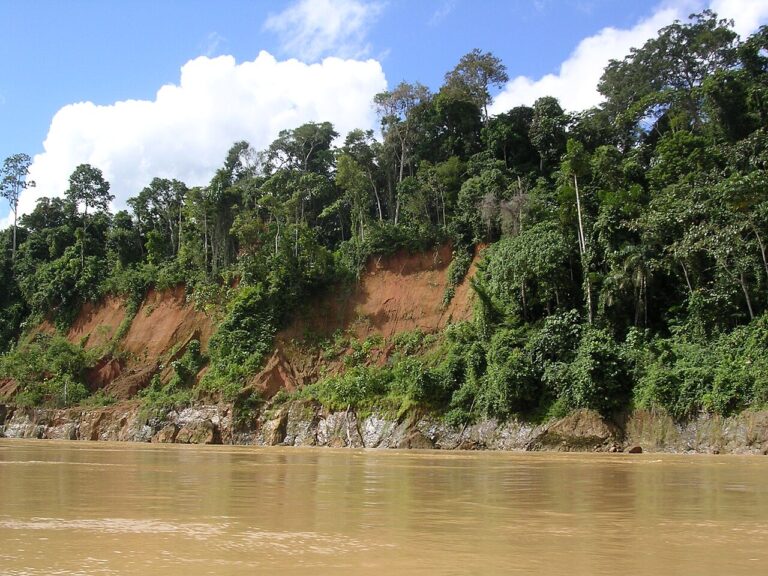
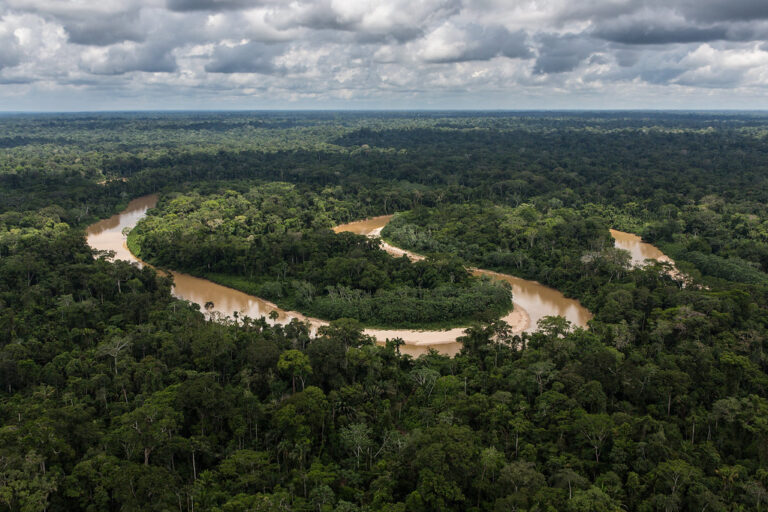
Ayahuasca is usually brewed from the Banisteriopsis caapi vine and the leaves of Psychotria viridis. Many Amazonian peoples use it in healing and spiritual practice, and it is also the sacrament of several Brazilian churches founded in the 20th century.
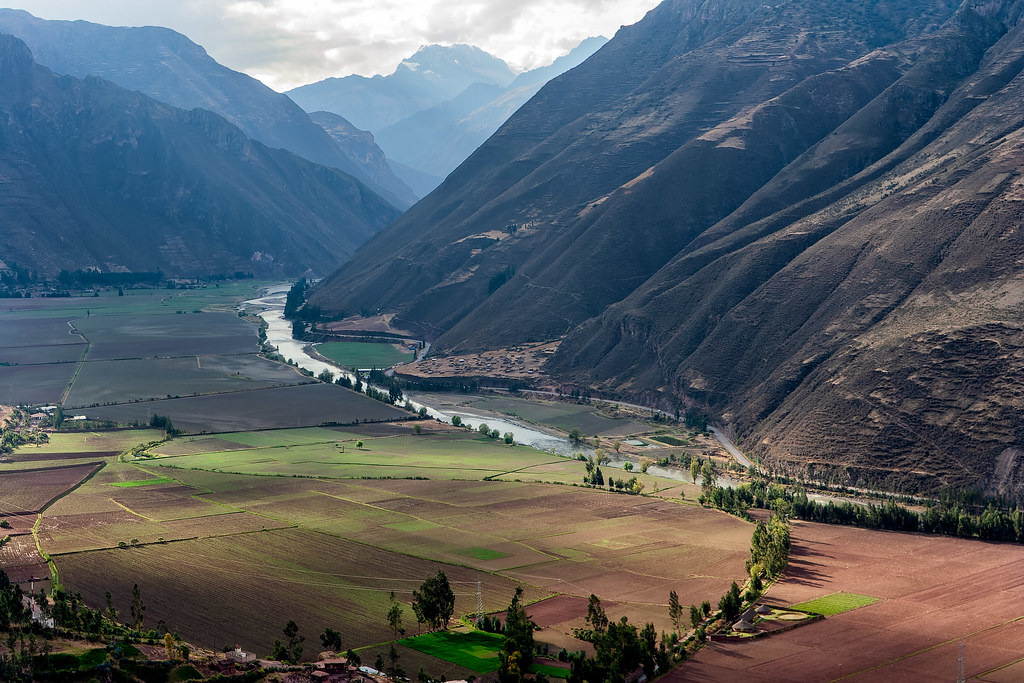
San Pedro is a tall columnar cactus, often classified as Trichocereus or Echinopsis pachanoi. A review of the archaeology of northern Peru found evidence of its ritual use in a series of cultures going back to the Cupisnique, around 1500 BC, and Chavín, around 1000 BC. Healers in northern Peru still use it in healing rites built around a mesa, an altar of objects, held in the early hours of the morning, with steps for identifying an illness, cleansing and restoring the patient.
San Pedro is sometimes confused with peyote, a different, much smaller cactus that also contains mescaline. Peyote is scarce and slow-growing, and Native American Church leaders have asked the wider public to leave it alone. If a center offers “mescaline” or “cactus medicine,” ask which cactus.
How they work
DMT, the active compound in ayahuasca, is normally broken down in the gut by an enzyme called monoamine oxidase before it can take effect. The vine contains harmine and related compounds that block that enzyme, which allows the DMT to work when swallowed. Mescaline doesn’t need that help. Both act mainly on the same family of serotonin receptors as other classic psychedelics. Mescaline also acts on some noradrenaline and dopamine receptors.
How long they last
This is the difference you’ll feel most. In research settings, ayahuasca’s effects began roughly 40 minutes after drinking, peaked within one to two hours, and had mostly faded by about four hours. Ceremonies often run longer, and some offer a second serving.
Mescaline is slow and long. A 2022 survey paper describes peak effects about two hours after taking it and a total duration of 8 to 12 hours. In a 2024 laboratory study, the average length of the effects rose from about 6 to 14 hours as the amount increased. A San Pedro ceremony can therefore take up most of a day, and you may still feel effects into the evening.
Setting
Ayahuasca ceremonies are usually held at night, in the dark, with a healer or facilitator singing or playing music. You stay in one place, often on a mat, for the whole ceremony.
San Pedro ceremonies vary more. Some follow the traditional night-time mesa. Some retreats hold them during the day, sometimes outdoors with walks in nature. A long day outside while under the effects brings its own practical questions: sun, heat, water, uneven ground and how staff keep track of everyone. Ask how the day is structured and how many people will be watching the group.
What they do to your body
With ayahuasca, vomiting is the norm for many people. In the only placebo-controlled trial, 57% of people who drank it vomited; in the Global Ayahuasca Survey, 62% reported vomiting or nausea. Blood pressure and heart rate rise modestly.
With mescaline, a 2024 laboratory study in healthy volunteers found that blood pressure and heart rate rose, and nausea and vomiting were frequent at the highest amount tested. A pooled analysis of 96 mescaline sessions in two such studies found nausea was the side effect that limited how much people could take, and recorded a few cases of high blood pressure, a fast heart rate or a raised temperature. One survey paper notes that nausea and vomiting are reported more often with cactus material than with pure mescaline, though the laboratory studies found nausea with pure mescaline too. If you have a heart condition or high blood pressure, both substances deserve a careful conversation with a doctor.
Medication risks
Ayahuasca’s enzyme-blocking compounds make it dangerous to combine with SSRI antidepressants and several other kinds of medicine, because of the risk of serotonin syndrome. A 2019 review also lists tricyclic antidepressants, some opioids and some migraine medicines, and notes that the brew affects liver enzymes that process many other drugs.
Mescaline’s interactions are less well studied, which isn’t the same as safe. Tell any center about every medicine and supplement you take, and never stop or change a prescription without the person who prescribed it. If a retreat offers ayahuasca and San Pedro in the same stay, ask how it screens for each and how many days it leaves between them.
Psychological risks
Both can bring frightening or painful experiences, and both are a poor idea for people with a personal or family history of psychosis or mania. In the Global Ayahuasca Survey, 55% of respondents reported some psychological adverse effect, though most saw it as part of a positive process. In a 2022 online survey of 452 people who had used mescaline, most rated challenging effects as very slight, and very few reported psychological problems afterwards. Both surveys relied on self-selected volunteers, and the people who had the worst experiences may be the least likely to answer.
A longer experience also means a longer stretch in which you may need support. Ask how staffing works across a San Pedro day, not only at the start.
What the research says
Ayahuasca has one small placebo-controlled trial for depression, plus surveys and before-and-after studies of people at retreats. Research on mescaline has been limited since psychedelics were banned in the early 1970s, and a 2023 review called it “the forgotten psychedelic.” Recent work consists mostly of online surveys and a few small laboratory studies in healthy volunteers. Neither body of research can tell you what a ceremony will do for any health condition.
Legal status for both differs by country and changes over time. Our legal guides cover the details.
Questions to ask
- Which plant are you using, and where does it come from?
- How long does the ceremony last, start to finish, and what happens if I want to stop?
- For San Pedro: is it indoors or outdoors, and how do staff keep track of everyone?
- What do you need to know about my heart, blood pressure and medications?
- If both are offered, how far apart are they, and is each screened separately?
- Who leads the ceremony, and where did they learn this practice?
For support talking through a difficult experience afterwards, Fireside Project’s free peer support line, 62-FIRESIDE (623-473-7433), takes calls and texts.
More guides
- San Pedro (huachuma): what to expect
- What ayahuasca is
- What peyote is, and why conservation matters
- Ayahuasca vs psilocybin
- Medications and health conditions: who shouldn’t sit
- Ayahuasca in Peru: what to know before you go
Reviews from past participants can tell you how a center paces a long San Pedro day or a night of ayahuasca, and how it handles people who are struggling. You can search the Safe Ceremonies listings, including ayahuasca and San Pedro and huachuma centers.
Sources
- Hamill J, Hallak J, Dursun SM, Baker G (2019). Ayahuasca: psychological and physiologic effects, pharmacology and potential uses in addiction and mental illness. Current Neuropharmacology. https://pmc.ncbi.nlm.nih.gov/articles/PMC6343205/
- Carod-Artal FJ, Vázquez-Cabrera CB (2006). Mescaline and the San Pedro cactus ritual: archaeological and ethnographic evidence in northern Peru. Revista de Neurología. https://doi.org/10.33588/rn.4208.2006040
- National Council of Native American Churches and Indigenous Peyote Conservation Initiative (2021). Open letter to the psychedelic movement regarding peyote in policy efforts. Chacruna. https://chacruna.net/ipci_open_letter_psychedelic_movement_peyote_decriminalization/
- Vamvakopoulou IA, Narine KAD, Campbell I, Dyck JRB, Nutt DJ (2023). Mescaline: the forgotten psychedelic. Neuropharmacology. https://doi.org/10.1016/j.neuropharm.2022.109294
- Uthaug MV, Davis AK, Haas TF, et al. (2022). The epidemiology of mescaline use: pattern of use, motivations for consumption, and perceived consequences and benefits. Journal of Psychopharmacology. https://pmc.ncbi.nlm.nih.gov/articles/PMC8902264/
- Klaiber A, Schmid Y, Becker AM, et al. (2024). Acute dose-dependent effects of mescaline in a double-blind placebo-controlled study in healthy subjects. Translational Psychiatry. https://pmc.ncbi.nlm.nih.gov/articles/PMC11442856/
- Klaiber A, Humbert-Droz M, Ley L, Schmid Y, Liechti ME (2024). Safety pharmacology of acute mescaline administration in healthy participants. British Journal of Clinical Pharmacology. https://doi.org/10.1111/bcp.16349
- Palhano-Fontes F, Barreto D, Onias H, et al. (2019). Rapid antidepressant effects of the psychedelic ayahuasca in treatment-resistant depression: a randomized placebo-controlled trial. Psychological Medicine. https://pmc.ncbi.nlm.nih.gov/articles/PMC6378413/
- Bouso JC, Andión Ó, Sarris JJ, et al. (2022). Adverse effects of ayahuasca: results from the Global Ayahuasca Survey. PLOS Global Public Health. https://journals.plos.org/globalpublichealth/article?id=10.1371/journal.pgph.0000438
- Johnson MW, Richards WA, Griffiths RR (2008). Human hallucinogen research: guidelines for safety. Journal of Psychopharmacology. https://pmc.ncbi.nlm.nih.gov/articles/PMC3056407/
- Fireside Project, psychedelic peer support line. https://firesideproject.org/
Photo: Sacred Valley, Urubamba by Brian Brandsberg Berg, CC BY 2.0.

Author: Safe Ceremonies
User reviewed ceremonies