Is ayahuasca safe? What is known about the risks
Nobody can give you a single answer, because the risk depends a lot on who you are, what medicines you take and who is running the ceremony. For healthy people in careful settings, published research finds that serious problems are uncommon. That research is limited, though, and for people on certain medicines or with certain health histories the danger is real enough that they shouldn’t drink ayahuasca at all.
This guide sets out what is known, how good the evidence is and where the gaps are. It isn’t medical advice, and it doesn’t cover amounts or preparation. For more detail on specific medicines and conditions, read our guide to medications and health conditions.
How good is the evidence?
A 2024 systematic review in the International Journal of Toxicology looked at 78 articles and concluded that ayahuasca and DMT are generally safe, with serious effects rarely reported in healthy people in controlled settings. The same review says that the human studies were generally small and varied in design, and it calls for larger, longer trials.
Keep three limits in mind when you read a phrase like “generally safe”:
- Studies usually involve screened volunteers. A ceremony may not screen anyone.
- Much of the real-world data comes from online surveys of people who chose to answer, so those who were badly harmed may be missing.
- No two brews are guaranteed to match. A 2019 review in Current Neuropharmacology calls the consistency of a brew’s dose and makeup a serious matter, and the largest survey had no way of knowing what people actually drank.
Nobody counts how many ceremonies take place, either. That means no one can calculate a true rate for any harm.
What usually happens to the body
Ayahuasca makes most people feel physically unwell for part of the night. In the Global Ayahuasca Survey, which collected answers from more than 10,000 people, about 70% of those analyzed reported at least one physical effect, and 62% reported nausea or vomiting. Many ceremonies treat purging as expected. The 2019 review also describes intense diarrhea.
Smaller numbers reported something more worrying. About 4% described fainting and about 1% described seizures. Of the people who answered the question, 2.3% said they needed medical attention. Physical effects were more likely among people with an existing physical health condition, people with a past substance use disorder diagnosis, and people drinking without supervision.
Fainting is the practical concern in a dark room at night. Ask whether someone will walk with you to the bathroom, and whether the path is clear.
Medicines: the clearest risk you can avoid
Ayahuasca contains harmine and harmaline, which block an enzyme called MAO-A. That enzyme helps break down serotonin. Combine a blocker with a medicine that raises serotonin and you could, in principle, cause serotonin syndrome, which the US National Library of Medicine describes as potentially life-threatening.
Researchers raised this concern in 1998 and described a man on fluoxetine with suspected serotonin toxicity after drinking ayahuasca. He recovered. Since then, the evidence on how often this happens has stayed thin. The 2024 review found no clear, confirmed cases, and a 2026 study in JAMA Network Open says serotonin syndrome appears rare. On the other side, a 2022 toxicology review notes that true serotonin toxicity typically follows an overdose or a serotonin-raising drug taken with an MAO inhibitor, which is the combination at issue here. A rare outcome that can kill still calls for caution, particularly as few people on these medicines may be drinking, so the true risk is hard to measure.
The Merck Manual lists medicines that can cause serotonin syndrome in general. Most haven’t been studied with ayahuasca and the list is partial. Even so, it shows how wide the question is:
- Antidepressants, including SSRIs such as fluoxetine and sertraline, venlafaxine, tricyclics and MAOI antidepressants such as phenelzine.
- Migraine medicines called triptans, such as sumatriptan.
- Some opioid painkillers, such as tramadol and fentanyl.
- Dextromethorphan, found in many cough medicines.
- Stimulants, including amphetamine, methylphenidate, cocaine and MDMA.
- Lithium.
- Herbal products and supplements, including St. John’s wort, ginseng and 5-HTP.
The 2019 review adds a second concern. Compounds in the brew also inhibit CYP3A4 and CYP2D6, two liver enzymes that process many common medicines, so its authors advise caution about interactions beyond serotonin. Give a pharmacist or your doctor your full list, including things you take only now and then.
Don’t stop a medicine because a retreat told you to
In the JAMA Network Open study, 43 of 49 retreat organizations required or recommended stopping certain medicines first, and only 7 said they consulted medical professionals about how. The authors warn that stopping can itself add risk, since abruptly quitting an antidepressant can bring withdrawal and relapse. The NHS says not to stop an antidepressant suddenly or without talking to your doctor. If a center’s rule and your prescriber’s advice conflict, follow your prescriber, even if that means you don’t go.
Other substances at the same retreat
The most serious combination on record is ayahuasca with 5-MeO-DMT, the compound in bufo ceremonies. A 2022 review describes a death in a 25-year-old who took the two together, and a 17-year-old hospitalized after taking 5-MeO-DMT with harmaline. Ask about this directly if a retreat offers both, and read our guide to bufo and 5-MeO-DMT.
Food
Older MAOI drugs can react with tyramine, found in aged and fermented foods. The 2024 review calls this a theoretical risk with ayahuasca, and the 2019 review says the reversible way harmine and harmaline work makes them safer than those older drugs. Our guide to the ayahuasca diet goes through what is and isn’t known.
Your heart and blood pressure
In small studies of volunteers, ayahuasca raised blood pressure and heart rate by modest amounts. In one 2003 trial with 18 people, diastolic pressure rose by 9 mmHg at the higher amount tested, while the rises in systolic pressure and heart rate were not statistically significant. The 2019 review also cites a study in which some people’s readings peaked higher, with a heart rate of 150 and a systolic pressure of 147.
Those numbers come from people well enough to volunteer. We couldn’t find a study of ayahuasca in people with heart disease, so nobody can tell you how they would fare. The 2019 review says some adverse cardiac events are possible. Research on classic psychedelics has taken this seriously: guidelines from Johns Hopkins researchers describe giving volunteers an ECG first and excluding those with resting blood pressure above 140/90.
Don’t assume a retreat will catch this for you. In the JAMA Network Open study, 17 of 49 organizations excluded people with cardiovascular conditions, and only 8 excluded people with high blood pressure. If you have a heart condition, high blood pressure, or fainting or palpitations that have never been checked, see a doctor first.
Your mental health
A 2017 systematic review of psychosis linked to ayahuasca and DMT concluded that these episodes appear rare, in ritual and recreational settings alike. Many of the people affected had a personal or family history of psychiatric illness or mania, or were using other drugs. Some had none of these. The authors say screening seems to substantially reduce the risk, and that people with a personal or family history of psychosis or mania should avoid these substances.
One Brazilian ayahuasca church reported 13 to 24 psychotic episodes across about 25,000 sessions over five years, or under 0.1%, according to the 2024 review. That figure comes from the church itself and from a screened membership, so treat it as a best case.
Less dramatic difficulties are common. In the Global Ayahuasca Survey, about 55% reported some adverse mental health effect in the weeks or months afterwards, usually lasting under a week. Most described it as part of a process of growth, and about 12% sought professional support. An anxiety disorder or a physical health condition made these effects more likely. They were also more likely outside religious settings, though the authors note this may reflect who goes to which setting. Our guide to difficult experiences covers where to get help.
Has anyone died?
Deaths after ayahuasca have been reported, but it is hard to say what caused them. The 2019 review found no reports of deaths directly attributable to ayahuasca, and the deaths it did find involved something else, such as 5-MeO-DMT or a nicotine-containing brew given as an enema. A 2018 case report in Case Reports in Emergency Medicine says there are few reports of life-threatening reactions, and that missing information and a lack of autopsy findings limit what they can show.
That is a long way from proof that it can’t happen. The record is patchy, and reports often can’t say what was in the cup. The 2019 review also describes a person who needed a ventilator after a preparation containing harmine with atropine and scopolamine, which aren’t part of the usual two-plant brew. Ask what goes into the brew and who made it.
Pregnancy
Evidence in people is limited. The 2024 review reports harm to developing offspring in animal studies at high doses and, despite some anecdotal reports of no harm in humans, concludes that pregnant women should avoid ayahuasca. Only 6 of the 49 organizations in the JAMA Network Open study excluded pregnant people, so raise it yourself.
Risks that come from people
Some of the danger in a ceremony has nothing to do with chemistry. The Chacruna Institute’s guide on sexual abuse in ayahuasca settings warns that abuse often happens during one-on-one healing sessions, and that nudity isn’t a normal part of healing. Our guide to consent, touch and boundaries covers this in more depth.
Care also varies. In the JAMA Network Open study, every organization collected medical histories, yet only 21 of 49 worked with a licensed health care professional. Johns Hopkins safety guidelines for research call for at least two monitors, so that a person is never left alone. Few ceremonies will match a research setting, but you can ask how close they come.
Who should be most careful
Talk to a doctor before you consider ayahuasca, and expect a careful center to question you closely or turn you down, if any of these apply:
- You take an antidepressant, lithium, a stimulant, an opioid or a migraine medicine.
- You or a close relative has had psychosis, schizophrenia or bipolar disorder.
- You have a heart condition, high blood pressure, seizures or unexplained fainting.
- You are pregnant.
- You have taken another strong substance recently, or one is planned for the same trip.
When it’s an emergency
Call your local emergency number if someone has a seizure, chest pain, trouble breathing or can’t be woken. The same goes for signs of serotonin toxicity: a high fever, rigid or jerking muscles, severe agitation or a racing heart, especially in someone who takes one of the medicines above. Tell the responders that the person drank ayahuasca and what else they take. Nobody should wave these signs away as purging.
Line up support at home before you go. Fireside Project’s free psychedelic peer support line, 62-FIRESIDE (623-473-7433), takes calls and texts from 11 a.m. to 11 p.m. Pacific time every day. In the US, the 988 Suicide & Crisis Lifeline takes calls and texts at 988.
More guides
- Medications and health conditions: who shouldn’t sit
- Health screening: why a good center asks about your health
- What a center’s emergency plan should cover
- What ayahuasca is
- Ayahuasca and mental health: what the research says (and doesn’t)
- Red flags: when to walk away
Reviews can show how a group handles these risks in practice: whether anyone went over your medicines, and what happened when someone struggled. You can search the Safe Ceremonies listings, starting with ayahuasca and, for support afterwards, integration and aftercare.
Sources
- White E, Kennedy T, Ruffell S, Perkins D, Sarris J (2024). Ayahuasca and dimethyltryptamine adverse events and toxicity analysis: a systematic thematic review. International Journal of Toxicology. https://pmc.ncbi.nlm.nih.gov/articles/PMC11088222/
- Bouso JC, Andión Ó, Sarris JJ, et al. (2022). Adverse effects of ayahuasca: results from the Global Ayahuasca Survey. PLOS Global Public Health. https://journals.plos.org/globalpublichealth/article?id=10.1371/journal.pgph.0000438
- Hamill J, Hallak J, Dursun SM, Baker G (2019). Ayahuasca: psychological and physiologic effects, pharmacology and potential uses in addiction and mental illness. Current Neuropharmacology. https://pmc.ncbi.nlm.nih.gov/articles/PMC6343205/
- McGuire AL, Neitzke-Spruill L, Robinson JO, et al. (2026). Reported safety practices of publicly advertised psychedelic retreats. JAMA Network Open. https://pmc.ncbi.nlm.nih.gov/articles/PMC12780929/
- Callaway JC, Grob CS (1998). Ayahuasca preparations and serotonin reuptake inhibitors: a potential combination for severe adverse interactions. Journal of Psychoactive Drugs. https://doi.org/10.1080/02791072.1998.10399712
- Malcolm B, Thomas K (2022). Serotonin toxicity of serotonergic psychedelics. Psychopharmacology. https://doi.org/10.1007/s00213-021-05876-x
- Riba J, Valle M, Urbano G, et al. (2003). Human pharmacology of ayahuasca: subjective and cardiovascular effects, monoamine metabolite excretion, and pharmacokinetics. Journal of Pharmacology and Experimental Therapeutics. https://doi.org/10.1124/jpet.103.049882
- Dos Santos RG, Bouso JC, Hallak JEC (2017). Ayahuasca, dimethyltryptamine, and psychosis: a systematic review of human studies. Therapeutic Advances in Psychopharmacology. https://doi.org/10.1177/2045125316689030
- Bilhimer MH, Schult RF, Higgs KV, et al. (2018). Acute intoxication following dimethyltryptamine ingestion. Case Reports in Emergency Medicine. https://pmc.ncbi.nlm.nih.gov/articles/PMC5848100/
- Ermakova AO, Dunbar F, Rucker J, Johnson MW (2022). A narrative synthesis of research with 5-MeO-DMT. Journal of Psychopharmacology. https://pmc.ncbi.nlm.nih.gov/articles/PMC8902691/
- Johnson MW, Richards WA, Griffiths RR (2008). Human hallucinogen research: guidelines for safety. Journal of Psychopharmacology. https://pmc.ncbi.nlm.nih.gov/articles/PMC3056407/
- Sinclair E, Labate BC (2019). Ayahuasca community guide for the awareness of sexual abuse (Chacruna Institute), via MAPS. https://maps.org/news/bulletin/ayahuasca-community-guide-for-the-awareness-of-abuse-2019/
- MedlinePlus, US National Library of Medicine. Serotonin syndrome. https://medlineplus.gov/ency/article/007272.htm
- Merck Manual Consumer Version. Serotonin syndrome. https://www.merckmanuals.com/home/injuries-and-poisoning/heat-disorders/serotonin-syndrome
- NHS. Antidepressants. Page last reviewed 12 June 2025. https://www.nhs.uk/medicines/antidepressants/
- Fireside Project, psychedelic peer support line. https://firesideproject.org/
- 988 Suicide & Crisis Lifeline. https://988lifeline.org/
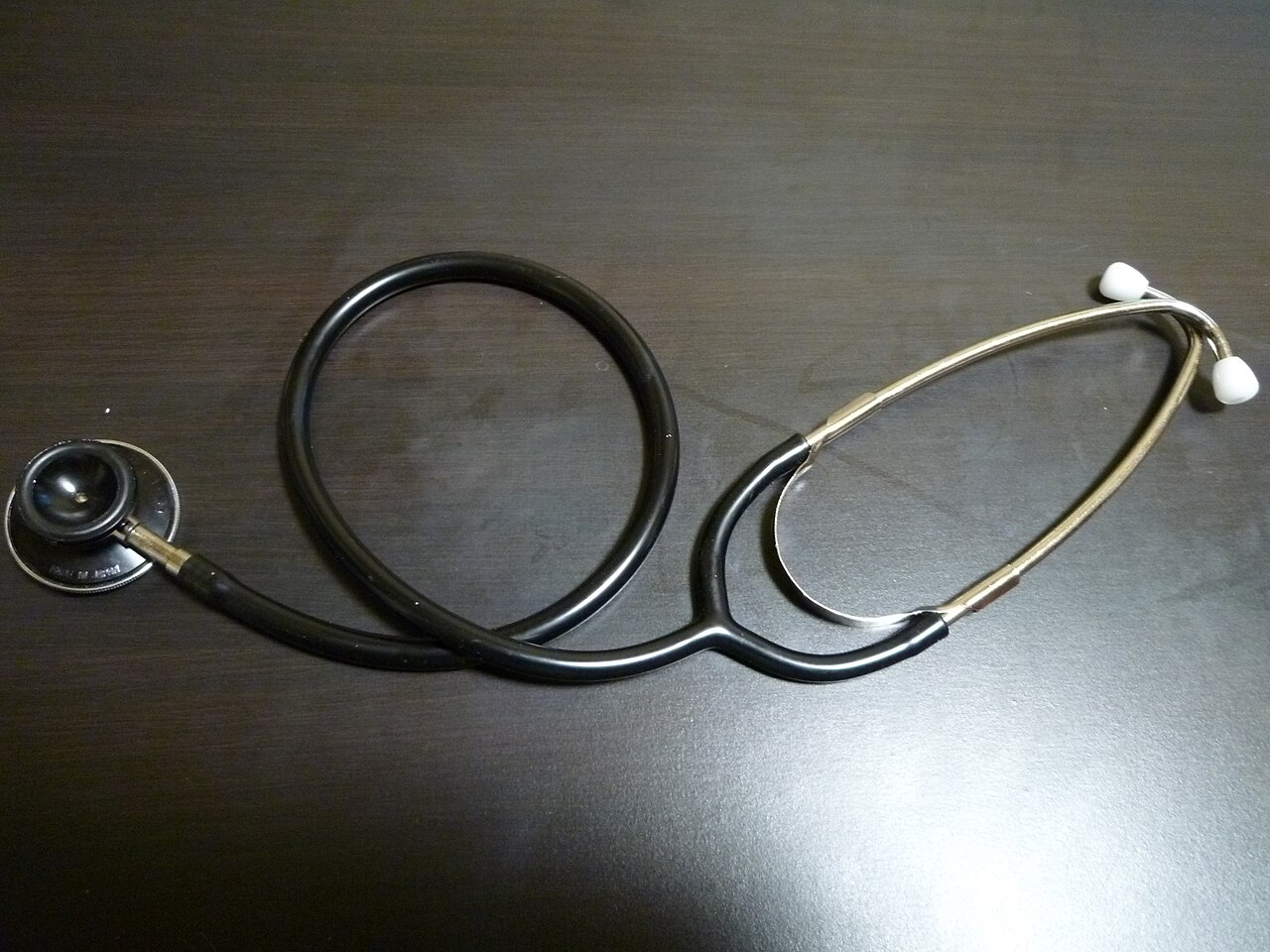
Photo: Stethoscope No.120 by Tama998, CC0 1.0.

Author: Safe Ceremonies
User reviewed ceremonies